
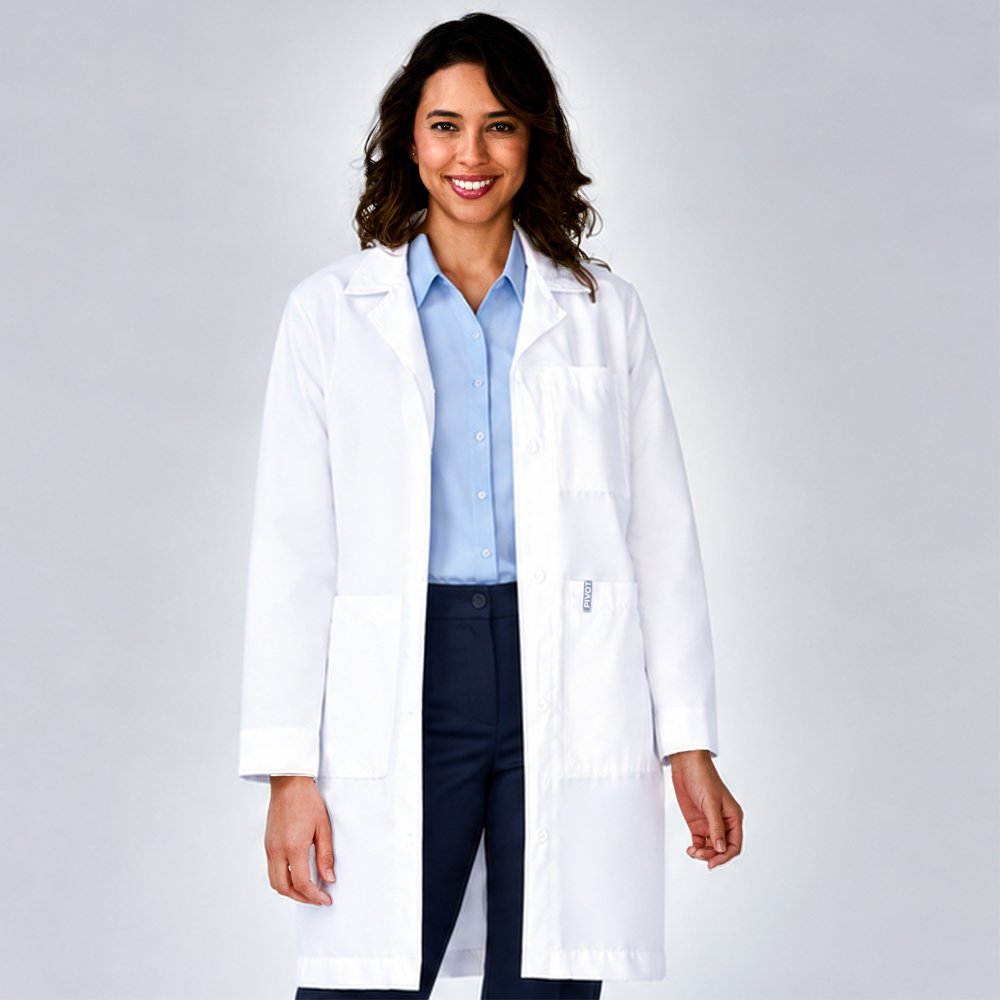
In modern laboratory, medical, and industrial environments, personal protective equipment serves as the primary barrier between personnel and hazardous exposure. Among essential protective wear, Sanxia lab coats stand out by bridging the gap between functional workplace defense and ergonomic design. Engineers, technicians, healthcare professionals, and researchers demand apparel that not only resists chemical splatters and biological contaminants but also supports unhindered movement across demanding shifts. Sanxia lab coats address these distinct needs through advanced textiles, deliberate construction, and specialized protective features.
The Role of Advanced Protective Wear in Professional Workspaces
Occupational safety standards have shifted dramatically toward preventive garment engineering. A lab coat is no longer viewed merely as a uniform; it functions as critical engineering control worn directly on the body. Standard cotton or generic synthetic blends often fall short when exposed to aggressive reagents, high heat, or airborne particulate matter.
Choosing high-quality Sanxia lab coats ensures that personnel operate with armor specifically calibrated for exposure risks. Whether working in pharmaceutical synthesis, clinical diagnostics, electrical manufacturing, or academic research, the integrity of protective apparel directly dictates workplace safety metrics and compliance success.
Core Features of Sanxia Lab Coats
1. Superior Fabric Technology and Liquid Resistance
The foundation of effective protective apparel lies in its material composition. Sanxia lab coats utilize specialized fabric weaves treated with fluid-repellent barriers. These textiles actively prevent liquid penetration, causing aqueous solutions, light acid splashes, and biological fluids to bead up and roll off the surface rather than absorb into underlying clothing.
For cleanroom and electronic assembly settings, Sanxia lab coats incorporate anti-static carbon fibers woven directly into the thread grid. This continuous dissipation network minimizes electrostatic discharge, protecting sensitive components and reducing the risk of igniting volatile vapor mixtures.
2. Ergonomic Construction for Long-Shift Comfort
Protection loses its value if the garment restricts mobility or creates physical fatigue. Sanxia lab coats are patterned with active movement in mind. Key structural elements include:
- Articulated Sleeves: Pre-shaped arm construction prevents garment pull across the back when extending arms toward fume hoods or workbench equipment.
- Vented Back Panels: Strategic breathability zones facilitate thermal regulation in warm lab settings without compromising splash protection.
- Reinforced Stress Points: Double-stitched seams at the shoulders, armpits, and pocket joins resist tearing during repeated bending and stretching.
3. Purpose-Built Closure Systems
The closure mechanism of a protective coat determines how quickly it can be donned, secured, and safely removed in emergencies. Sanxia lab coats incorporate heavy-duty snap closures and covered plackets. This design conceals buttons or zippers behind a protective fabric flap, preventing chemical liquids from seeping through fastener gaps and avoiding surface scratching when leaning against delicate equipment.
In high-risk chemical environments, quick-release press studs allow workers to doff contaminated apparel in seconds, mitigating chemical burn severity or liquid transfer to skin.
Customization and Application Across Diverse Industries
Clinical and Pharmaceutical Research
Pharmaceutical manufacturing requires stringent contamination control. Sanxia lab coats designed for sterile processing feature low-linting synthetic fibers that prevent particle shedding into cleanroom environments. Smooth fabric surfaces prevent bioburden buildup, and high-temperature laundering compatibility ensures thorough decontamination between uses.
Industrial Chemistry and Material Testing
In chemical processing plants and analytical testing labs, exposure to harsh reagents requires enhanced barrier defense. Sanxia lab coats built for chemical resistance feature dense material weaves that resist degradation from solvents, dilute acids, and organic reagents. Extended collar options and adjustable wrist cuffs allow seamless integration with safety gloves, sealing off vulnerability points around the forearms and neck.
Education and Vocational Training
University laboratories and vocational training centers require durable apparel capable of withstanding constant wear, frequent laundering, and diverse user handling. Sanxia lab coats provide an ideal balance of cost efficiency and structural longevity for educational institutions equipping large cohorts of students and staff.
Maintenance and Longevity Guidelines
Maintaining the protective qualities of technical garments requires adherence to proper care protocols. Sanxia lab coats are built for resilience, but proper handling maximizes their operational lifespan.
Laundering Best Practices
- Segregation: Always wash protective garments separately from regular clothing to prevent cross-contamination of residual chemicals or particulates.
- Temperature Control: Wash at recommended industrial temperatures to remove contaminants without breaking down fluid-repellent chemical finishes.
- Avoid Harsh Additives: Avoid using fabric softeners or chlorine bleach unless specified, as softeners clog breathable pores and strip fluid-repellent treatments.
- Inspection: Regularly inspect Sanxia lab coats for seam fraying, button wear, or fabric thinning around high-friction zones like cuffs and elbows.
Replacement Indicators
Even high-performance apparel reaches the end of its functional life cycle. A lab coat should be retired when:
- Liquid splatter no longer beads on the surface and begins absorbing into the fabric core.
- Permanent chemical burns, punctures, or unrepairable tears develop.
- Anti-static grid lines become damaged or broken across large sections of the garment.
Evaluating Workplace Apparel Investments
Procurement managers and safety officers evaluate protective gear based on total cost of ownership, regulatory compliance, and worker compliance. When staff are provided with comfortable, well-fitting garments, safety compliance rates increase significantly.
Investing in Sanxia lab coats delivers tangible operational benefits:
| Evaluation Metric | Generic Protective Apparel | Sanxia Lab Coats |
| Fluid Defense | Basic absorption barrier | Engineered hydrophobic repelling |
| Durability | Standard single-stitched seams | Reinforced seams & stress points |
| Static Control | None or topical spray | Integrated woven carbon grid |
| Ergonomics | Boxy, restrictive fit | Tailored sleeve & shoulder articulation |
| Emergency Doffing | Slow traditional buttons | Quick-release heavy-duty snaps |
Elevating Safety Standards with Sanxia Lab Coats
Workplace protection requires continuous refinement as laboratory processes and chemical safety demands evolve. Sanxia lab coats demonstrate how practical design considerations—such as ergonomic cuts, secure closures, and functional pocketing—can merge with technical barrier performance.
By equipping staff with Sanxia lab coats, organizations protect their human resources, support safety compliance, and foster a culture of professional rigors across every operational shift. Fastidious material selection and user-focused engineering make these coats a trusted component of modern occupational safety infrastructure.