
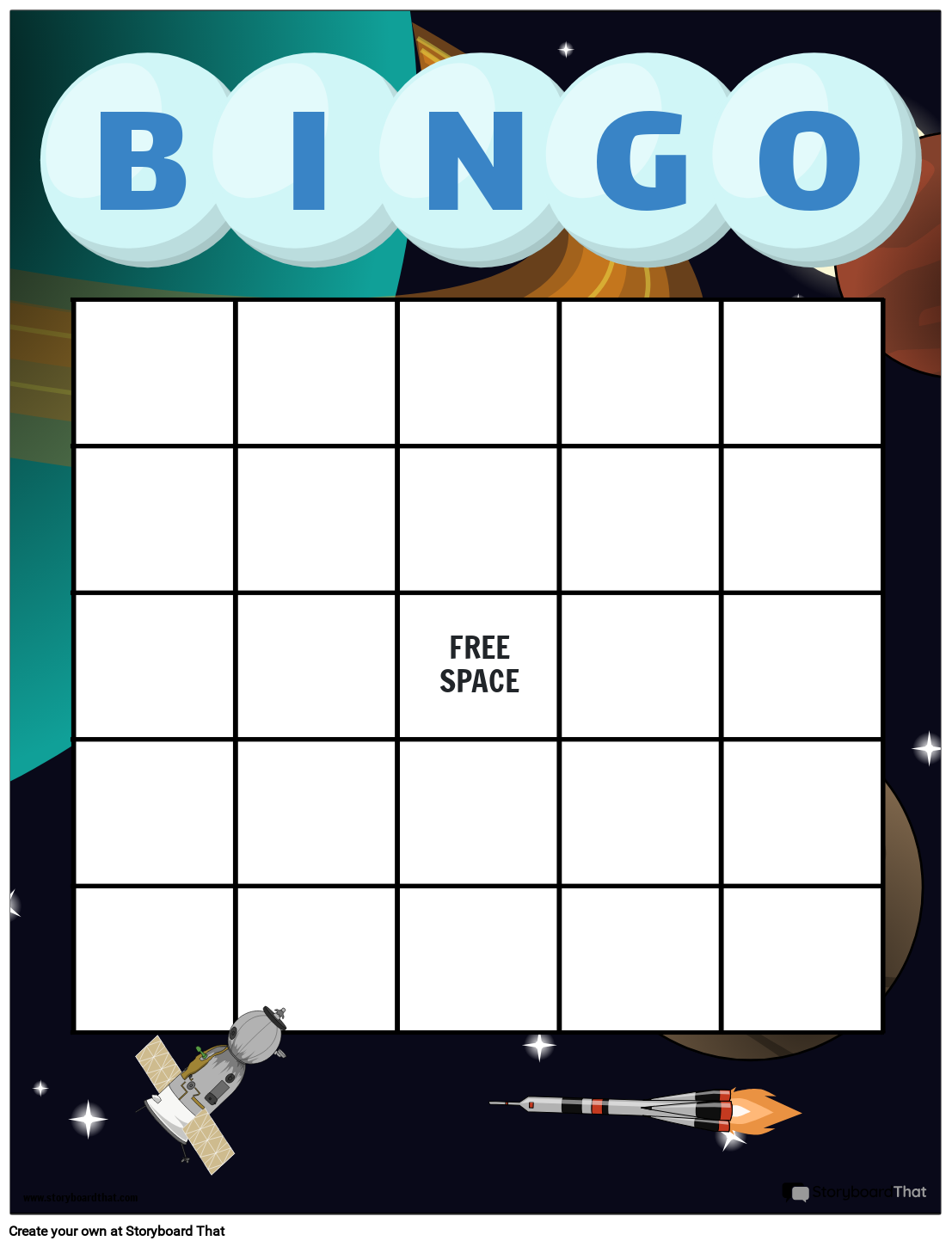
Classroom engagement remains one of the most persistent challenges for educators across all grade levels. Traditional lectures and repetitive worksheets often struggle to hold students’ attention, especially when covering dense vocabulary, mathematical formulas, or historical dates. Gamification offers a reliable bridge between passive listening and active participation. Among the many classroom games available, customized bingo stands out for its versatility, simplicity, and universal appeal. When teachers design tailored boards using digital generators—often searched by international educators looking to Bingo online erstellen—they transform routine review sessions into high-energy, collaborative learning experiences.
Why Bingo Works in the Modern Classroom
Bingo is far more than a game of pure chance; when adapted for educational settings, it becomes a structured active-recall exercise. Unlike standard multiple-choice quizzes where students might guess without deep processing, educational bingo requires learners to listen carefully, analyze clues, and match concepts to definitions or solutions on their grids.
Boosting Active Listening and Focus
In a typical bingo round, the teacher calls out a clue, definition, or problem rather than the exact term printed on the card. Because students do not know which square will be needed next, they must stay alert throughout the entire activity. Every student has a unique board layout, meaning everyone is invested in every single callout. This eliminates the common classroom dynamic where only the fastest hand-raisers participate while quieter students tune out.
Reducing Academic Anxiety
High-stakes testing and public questioning can trigger anxiety in many learners, hindering memory retrieval. Bingo lowers the emotional barrier to participation. The element of luck levels the playing field, allowing struggling students to compete alongside top performers without feeling singled out. Celebrating a “Bingo!” creates positive emotional associations with the subject matter, reinforcing confidence and willingness to engage in future lessons.
Subject-Specific Ways to Use Classroom Bingo
One of the greatest strengths of custom bingo is how easily it adapts to virtually any curriculum. By shifting the content inside the grid, educators can target specific learning objectives across disciplines.
Language Arts and Vocabulary Building
Language teachers can place target vocabulary words, synonyms, antonyms, or literary devices on the cards while calling out definitions, example sentences with missing words, or quotes from a class novel. For younger students learning phonics, grids can feature sight words, blends, or rhyming patterns. In foreign language classes, educators can call out words in the target language while students match them to native-language translations or images on their boards.
Mathematics and Mental Calculation
Math bingo turns repetitive drill work into an exciting race. Instead of handing out a 25-problem worksheet, teachers can populate bingo squares with numerical answers. When the teacher calls out an equation—such as multiplication facts, fraction simplifications, or algebraic expressions—students must solve the problem mentally or on scratch paper before marking their card. This format encourages accuracy under mild time pressure and helps students spot common calculation patterns.
Science and Social Studies Review
In science classes, bingo cards can display chemical element symbols, parts of a cell, planet names, or lab equipment. Teachers can read out atomic numbers, biological functions, or safety rules as clues. Similarly, history and geography educators can fill grids with historical figures, dates, capital cities, or constitutional amendments, using key events or descriptions as prompts to reinforce chronological and spatial understanding.
How to Design Effective Educational Bingo Cards
Creating a successful classroom bingo activity requires thoughtful preparation so the game remains educational rather than merely distracting. When educators decide to Bingo online erstellen using web-based tools, they can rapidly generate randomized boards, saving hours of manual formatting.
Choosing the Right Grid Size
Standard bingo uses a 5×5 grid, which provides 24 content spaces plus a central “Free Space.” This size works well for middle school, high school, and comprehensive unit reviews. However, for elementary students or shorter 15-minute bell-ringer activities, a 3×3 or 4×4 grid prevents fatigue and keeps the pace brisk. Matching the grid size to your available class time ensures at least two or three rounds can be completed in a single period.
Writing Clues That Require Critical Thinking
Avoid creating cards where the caller simply reads the exact word printed on the square. While exact-match bingo works for early letter or number recognition, older students benefit far more from inferential clues. For example, instead of calling “Photosynthesis,” read the clue: “The process by which green plants convert sunlight into chemical energy.” This forces students to retrieve the term from memory before scanning their board.
Incorporating Visuals and Digital Formats
Modern bingo generators allow teachers to insert images, icons, or diagrams directly into the squares. Visual bingo is particularly effective for English language learners, special education classrooms, and younger readers. Furthermore, many digital platforms support both printable PDF cards for traditional hands-on play with physical counters and browser-based links for 1:1 tablet or Chromebook classrooms.
Best Practices for Running Smooth Classroom Rounds
Even the best-designed bingo cards need clear classroom management to maximize instructional value. Establishing simple routines keeps the energy productive and prevents disputes over winning boards.
Verifying Wins as a Learning Moment
When a student calls out “Bingo,” resist the urge to simply glance at their paper and move on. Have the winning student read back their marked terms while you or the class restate the corresponding definitions or answers. This quick verification step serves as a built-in mini-review for the entire room and confirms that the student matched the clues accurately rather than marking squares at random.
Varying Winning Patterns
Playing exclusively for a standard five-in-a-row line can become predictable over multiple rounds. Keep momentum high by changing the winning criteria between games:
- Four Corners: Students must mark the four outer corners of their grid, creating a quick warm-up round.
- X-Pattern or Plus Sign: Requires students to cover both diagonals or the intersecting center row and column.
- Blackout (Full House): Every square on the board must be covered, ideal for comprehensive end-of-unit reviews where you want to cover every single term on your list.
Offering Meaningful Low-Cost Rewards
Rewards do not need to be expensive or sugar-based to motivate students. Simple privileges—such as choosing the next winning pattern, acting as the clue caller for the subsequent round, earning a homework pass, or selecting background music during independent work—provide strong intrinsic motivation while keeping students invested in the classroom community.
Bringing Creativity and Fun Back to Daily Lessons
Integrating custom bingo into your teaching toolkit requires minimal preparation time while delivering measurable gains in student focus, retention, and enthusiasm. Whether you print fresh sets for tactile group work or use digital tools to Bingo online erstellen for instant classroom play, this classic game consistently proves that structured fun is one of the most effective catalysts for lasting learning.