
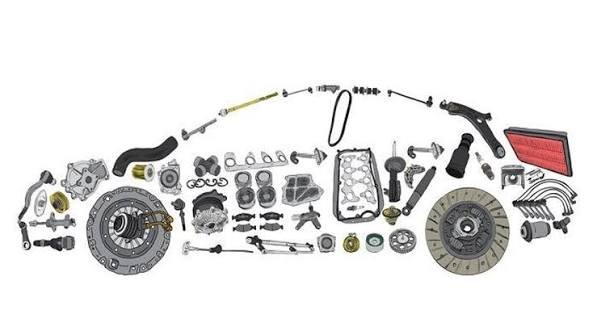
Car enthusiasts are always looking for ways to improve their vehicle’s performance, appearance, and driving experience. While some upgrades focus mainly on style, others can have a direct impact on how a car tuning parts accelerates, handles, brakes, and responds on the road. Tuning parts are among the most popular upgrades because they allow drivers to customize different aspects of a vehicle according to their needs and preferences.
From exhaust systems and air intakes to suspension components and performance brakes, the right modifications can make a noticeable difference. However, choosing compatible, high-quality components is essential to achieving reliable results. Understanding how different upgrades affect performance can help car owners make better decisions when modifying their vehicles.
Understanding Tuning Parts
Tuning parts are aftermarket components designed to improve, modify, or personalize various characteristics of a vehicle. Depending on the type of part, an upgrade may increase engine power, improve handling, reduce weight, enhance braking performance, or simply provide a more aggressive appearance.
Some modifications are relatively simple, while others require professional installation and additional supporting upgrades. A balanced approach is important because changing one component can affect other systems. For example, increasing engine power may require better brakes or suspension to maintain safe and predictable handling.
Engine Performance Improvements
One of the main reasons people install performance components is to improve engine performance. The engine needs a steady supply of air and fuel while efficiently removing exhaust gases. Certain aftermarket components can help optimize these processes.
A performance air intake can improve airflow into the engine. Depending on the vehicle and design, better airflow may contribute to improved throttle response and engine efficiency. Performance exhaust systems can also help gases exit the engine more efficiently. Some systems are designed to reduce restrictions while producing a deeper and sportier exhaust sound.
Engine tuning software can make another significant difference. ECU tuning can adjust parameters such as fuel delivery, ignition timing, and boost pressure on compatible vehicles. When performed correctly, these adjustments can improve power and responsiveness. However, aggressive tuning without considering the engine’s limitations can increase stress on components.
Improved Acceleration and Throttle Response
Acceleration is affected by several factors, including engine output, vehicle weight, gearing, traction, and drivetrain efficiency. Certain tuning parts can help make a car feel quicker and more responsive.
For example, lightweight components can reduce the amount of mass the vehicle needs to move. Performance exhaust systems and optimized intake systems may support better engine response. On turbocharged vehicles, carefully selected performance upgrades can also help the engine produce additional power.
It is important to remember that not every modification produces a dramatic increase in acceleration. The effectiveness of an upgrade depends on the vehicle, existing components, installation quality, and whether the modification works well with the rest of the system.
Suspension and Handling
Performance is not only about horsepower. A car that produces more power but handles poorly may not provide an enjoyable driving experience. Suspension upgrades can improve stability, cornering behavior, and driver confidence.
Performance springs, shock absorbers, coilovers, sway bars, and other suspension components can change how a vehicle responds to steering inputs. A properly designed suspension setup can reduce excessive body movement and help the tires maintain better contact with the road.
Lowering a vehicle can also change its center of gravity and appearance. However, excessive lowering may negatively affect ride comfort, ground clearance, and suspension geometry. For this reason, suspension modifications should be selected carefully and installed correctly.
Better Braking Performance
Increasing engine power without improving braking capability can create an unbalanced vehicle. Performance brakes are designed to provide more consistent stopping performance under demanding conditions.
Upgrades may include larger brake discs, performance brake pads, upgraded calipers, and high-quality brake fluid. These components can improve braking response and heat management when properly matched to the vehicle.
For everyday driving, extreme brake upgrades may not always be necessary. The best setup depends on how the vehicle is used, whether it is driven primarily on public roads, and the driver’s requirements.
Wheels and Tires
Wheels and tires play a major role in both handling and overall vehicle performance. Lightweight wheels can potentially reduce unsprung weight, which may help suspension response and handling. Tire selection is equally important because tires are the primary contact between the vehicle and the road.
Performance tires can provide improved grip and steering response when appropriate for the conditions. However, changing wheel size or tire dimensions can affect ride comfort, acceleration, braking, and speedometer accuracy.
Wheel fitment is also critical. Offset, width, diameter, bolt pattern, and clearance must all be considered before installation. Properly fitted wheels can complement other performance upgrades while maintaining safe operation.
Aerodynamics and Stability
Aerodynamic tuning parts can influence airflow around a vehicle. Front splitters, rear spoilers, diffusers, side skirts, and other components can be designed to manage airflow and, in performance applications, influence stability.
At everyday road speeds, many cosmetic aerodynamic upgrades may have a limited effect on performance. At higher speeds, however, properly engineered aerodynamic components can contribute to improved stability and reduced lift.
Quality matters greatly in this area. Poorly designed aerodynamic components may create unnecessary drag or interfere with vehicle balance. Choosing parts specifically developed for a particular vehicle can help achieve more predictable results.
Weight Reduction
Vehicle weight has a direct relationship with acceleration, braking, handling, and fuel consumption. Replacing heavy components with lighter alternatives can reduce overall vehicle mass.
Lightweight wheels, certain body components, seats, and other performance-focused upgrades may contribute to weight reduction. However, reducing weight should not compromise structural integrity, safety equipment, or everyday usability.
A lighter vehicle generally requires less energy to accelerate and stop, which can make the car feel more responsive. Weight distribution is also important because where the weight is located can influence handling characteristics.
The Importance of Compatibility
Not all tuning parts work equally well on every vehicle. Compatibility should always be considered before purchasing an upgrade. Engine type, model year, drivetrain, transmission, existing modifications, and intended use can all influence which components are appropriate.
Installing mismatched components may produce disappointing results or create reliability problems. For example, adding a high-flow component without considering the vehicle’s electronic management system may not deliver the expected performance improvement.
Researching specifications and choosing parts designed for a specific vehicle can reduce these risks. Professional installation is also recommended for modifications that require specialized knowledge or equipment.
Quality Matters
The quality of tuning parts can have a major effect on performance and reliability. Cheap components may look similar to premium products but can differ significantly in materials, construction, fitment, and durability.
High-quality components are generally designed with specific performance requirements in mind. Proper fitment can make installation easier and reduce the possibility of vibration, interference, or premature wear.
Car owners should consider the reputation of the manufacturer, product specifications, vehicle compatibility, warranty coverage, and professional reviews before making a purchase.
Balancing Performance and Reliability
The best modification strategy is usually a balanced one. Adding power without considering cooling, braking, tires, suspension, or drivetrain components can create an uneven setup.
For example, a vehicle with increased engine output may benefit from improved cooling and braking systems. A car with upgraded suspension may require suitable tires and a professional alignment. Each modification should work together rather than being treated as an isolated upgrade.
Regular maintenance becomes even more important after modifications. Oil changes, brake inspections, tire checks, fluid inspections, and general servicing can help keep a modified vehicle operating reliably.
Conclusion
Tuning parts can influence almost every aspect of a car’s performance, from acceleration and throttle response to braking, handling, stability, and weight. Engine upgrades can increase responsiveness and power, while suspension, brakes, wheels, and tires can improve control and driving confidence.
However, successful vehicle modification depends on choosing the right components and maintaining a balanced setup. Quality, compatibility, professional installation, and regular maintenance should always be considered. With careful planning, tuning parts can transform the driving experience while helping a vehicle perform more effectively and confidently.