
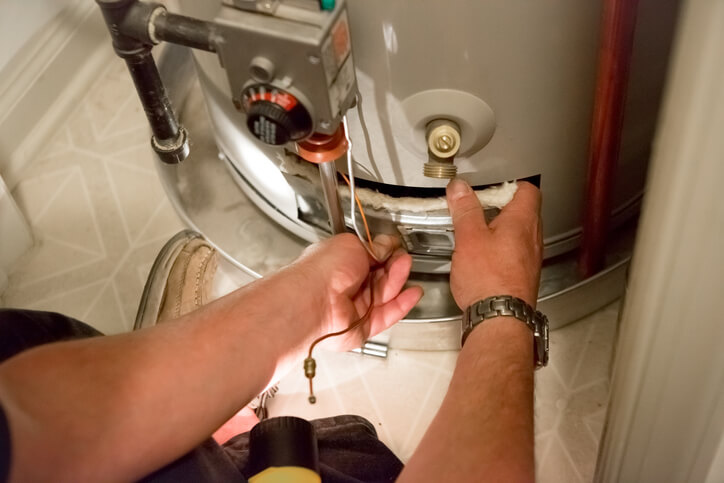
Understanding the Situation Before You Act
A plumbing emergency can happen at any time, often when you least expect it. Burst pipes, overflowing toilets, or sudden water leaks can quickly turn into serious damage if not handled properly. Before you immediately call an emergency plumber, it is important to take a few controlled steps to reduce damage and understand the severity of the issue.
The first thing to remember is that panic leads to mistakes. Staying calm allows you to respond faster and more effectively. Whether it is a leaking pipe or a complete water backup, your initial response can make a major difference in preventing costly repairs later.
Identify the Source of the Problem
Before contacting an emergency plumber, try to locate where the problem is coming from. This step is not about fixing the issue yourself but about understanding it.
Check common areas such as under sinks, behind toilets, around water heaters, and visible pipe connections. If you notice water pooling or dripping, trace it carefully to its origin. Sometimes the issue may not be as serious as it appears. A loose connection or a small valve leak can look like a major failure.
If the source is obvious and safe to access, this information will be very helpful when you explain the situation to the emergency plumber. It allows them to come prepared with the right tools and parts.
Shut Off the Water Supply Immediately
One of the most important steps before calling an emergency plumber is turning off the main water supply. This action can significantly reduce water damage.
Most homes have a main shut-off valve located near the water meter, outside the house, or in a utility area. Turning this off stops water flow and prevents further flooding or leakage.
If the issue is isolated, such as a leaking sink or toilet, you can also shut off the local valve instead of the entire system. This helps keep the rest of the house functional while you wait for the emergency plumber to arrive.
Turn Off Electrical Appliances Near Water
Water and electricity are a dangerous combination. If the plumbing crisis involves flooding or water leakage near electrical outlets, appliances, or wiring, switch off the electricity in the affected area immediately.
Unplug devices if it is safe to do so and avoid stepping into standing water. This precaution protects you from electric shock and also prevents damage to your home’s electrical system.
When you call an emergency plumber, mention any electrical risks so they can approach the situation safely.
Contain the Water Damage
While waiting for an emergency plumber, try to control the spread of water. Use towels, buckets, mops, or any absorbent materials available to reduce damage to floors and furniture.
If a pipe has burst, you can place a container under the leak to collect water temporarily. Moving valuable items, carpets, and electronics away from the affected area is also important.
These small steps will not fix the problem but will reduce the overall damage until the emergency plumber arrives.
Check for Visible Damage but Avoid Repairs
It is natural to want to fix the problem yourself, but in most plumbing emergencies, DIY repairs can make things worse. Instead of attempting repairs, carefully observe the condition of pipes, joints, and fixtures.
Look for signs like rust, cracks, water pressure changes, or unusual noises. Take mental notes or even pictures if needed. This information can help the emergency plumber diagnose the issue faster once they arrive.
Avoid using sealants, tape, or tools unless you are absolutely sure of what you are doing. Temporary fixes may hide the real issue and complicate professional repairs.
Clear the Area for Easy Access
Before the emergency plumber arrives, make sure the affected area is accessible. Remove obstacles such as furniture, storage boxes, or rugs that may block access to pipes or fixtures.
A clear workspace allows the emergency plumber to quickly inspect and repair the problem without delay. It also reduces the risk of further damage to your belongings during the repair process.
Gather Important Information
When contacting an emergency plumber, providing accurate details can speed up the response time. Be ready to explain:
What happened
When it started
Where the issue is located
Whether water is still running
Any steps you have already taken
This helps the emergency plumber understand the urgency and prepare accordingly. Clear communication can often reduce repair time and cost.
Stay Safe While Waiting
Safety should always be your top priority during a plumbing emergency. Avoid slippery floors caused by leaks and do not attempt to move heavy water-damaged objects alone.
Keep children and pets away from the affected area. If the situation involves major flooding or sewage backup, avoid contact with contaminated water as it may contain harmful bacteria.
Waiting for a professional emergency plumber is the safest decision in severe cases.
Know When It Is a Real Emergency
Not every plumbing issue requires immediate emergency service. Understanding the difference can save you time and money.
A true emergency includes burst pipes, severe leaks, sewage backup, or complete water loss in the home. Minor drips or slow leaks can often wait for scheduled repairs.
However, when in doubt, it is always better to call an emergency plumber and get professional advice rather than risk worsening the situation.
Why Quick Action Matters
Plumbing emergencies can escalate quickly. A small leak can lead to structural damage, mold growth, and high water bills if not addressed promptly. Acting fast before the emergency plumber arrives helps minimize these risks.
Your quick response also makes the repair process more efficient. The less damage there is, the easier it is for the emergency plumber to fix the issue effectively.
Final Thoughts
Dealing with a plumbing crisis can be stressful, but knowing what to do before calling an emergency plumber can make a huge difference. By staying calm, shutting off water, protecting your home, and gathering useful information, you can significantly reduce damage and improve repair efficiency.
An emergency plumber is trained to handle urgent situations, but your immediate actions play a key role in controlling the problem. Preparation, awareness, and safety are your strongest tools during any plumbing emergency.