
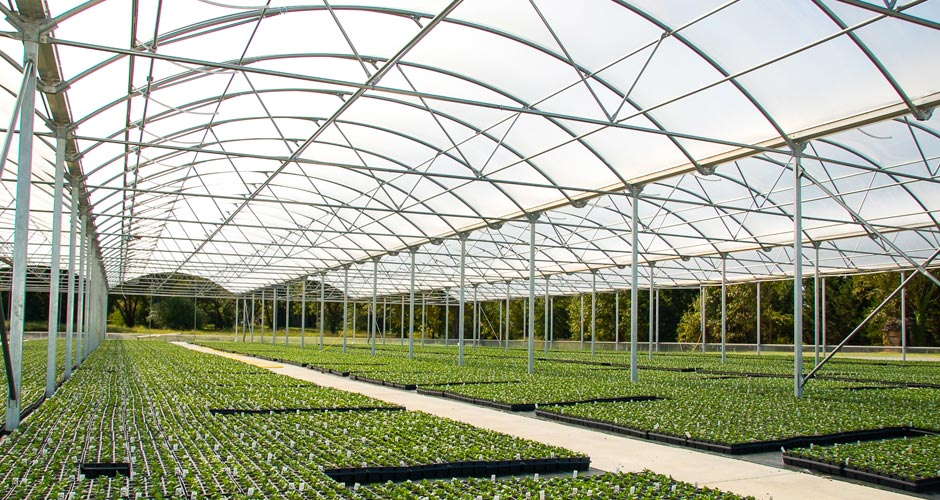
Investing in a greenhouse is a significant decision, whether you are a commercial grower or a hobbyist gardener. The quality, durability, and design of your greenhouse can have a direct impact on plant growth, energy efficiency, and overall productivity. Choosing the right greenhouse manufacturer is crucial to ensuring a long-term, hassle-free investment. With numerous options available, it’s essential to carefully vet greenhouse manufacturers before making a purchase.
Understand Your Greenhouse Needs
Before evaluating potential greenhouse manufacturers, you need to have a clear understanding of your own requirements. Consider the type of crops you plan to grow, the climate in your region, and the space available. Some manufacturers specialize in large commercial structures, while others cater to smaller backyard greenhouses. Determine whether you need a structure with advanced climate control, automatic irrigation, or specific materials such as glass or polycarbonate panels. Knowing your requirements will help you focus on manufacturers who can meet your specific needs.
Research Manufacturer Reputation
One of the most reliable ways to vet greenhouse manufacturers is to assess their reputation in the industry. Look for manufacturers with a proven track record of producing high-quality structures. Online reviews, testimonials, and industry forums can provide insight into customer satisfaction and product reliability. Pay attention to recurring themes in reviews, such as durability, ease of assembly, and after-sales support. A manufacturer with consistently positive feedback is more likely to deliver a product that meets your expectations.
Verify Experience and Expertise
Experience matters when it comes to greenhouse manufacturers. Companies that have been in the industry for several years often possess a deeper understanding of design challenges, material selection, and climate adaptability. Ask potential manufacturers about their experience and specific projects they have completed. Manufacturers who have handled a variety of greenhouse types, from small hobby units to large commercial installations, are often better equipped to offer advice and provide customized solutions.
Examine Product Quality and Materials
The longevity and performance of a greenhouse heavily depend on the quality of materials used. When vetting greenhouse manufacturers, inquire about the materials used in the frame, glazing, and foundation. High-quality aluminum or galvanized steel frames resist rust and corrosion, while polycarbonate panels offer durability and better insulation than traditional glass. Evaluate whether the manufacturer uses materials suitable for your local weather conditions, including resistance to snow, wind, and UV exposure.
Assess Customization Options
No two growers have identical requirements. A reputable greenhouse manufacturer should offer customization options that allow you to tailor the structure to your needs. This may include adjustable ventilation, shelving, automated irrigation systems, or reinforced structures for extreme weather. Ask manufacturers about their ability to customize designs, the flexibility of their layouts, and how easily they accommodate special requests. Manufacturers who are open to customization demonstrate a commitment to meeting client needs rather than pushing standard models.
Review Warranty and After-Sales Support
A solid warranty and reliable after-sales support are strong indicators of a manufacturer’s confidence in their product. Ask about the warranty coverage, including frame, glazing, and structural components. Understand the terms and duration of coverage, and clarify whether the manufacturer provides replacement parts or technical support in case of issues. After-sales support is especially important for complex greenhouses with automated systems, as it ensures you have assistance when needed.
Evaluate Installation Services
Some greenhouse manufacturers provide installation services, while others supply kits for self-assembly. Determine whether you will need professional installation or if you are comfortable assembling the greenhouse yourself. Manufacturers that offer installation often ensure the structure is properly erected, which can prevent issues like misaligned panels or structural weaknesses. If self-assembly is required, verify that the manufacturer provides clear instructions, diagrams, and customer support during the process.
Compare Pricing and Value
While price should not be the only deciding factor, it is essential to evaluate whether a manufacturer offers good value for the investment. Extremely low prices may indicate subpar materials or poor construction, while higher prices can reflect superior quality and additional features. Compare quotes from multiple greenhouse manufacturers, taking into account the quality, customization options, warranty, and support. Value is not just about cost; it is about getting a durable, reliable structure that meets your needs.
Check Certifications and Compliance
Ensure the greenhouse manufacturers you consider comply with relevant industry standards and certifications. Certifications indicate adherence to safety, quality, and environmental guidelines. For instance, manufacturers may follow local building codes or industry standards for UV resistance, wind load, or snow load. Compliance with these standards ensures that your greenhouse is structurally sound and safe for long-term use.
Ask for References
Requesting references from past clients can provide firsthand insights into a manufacturer’s reliability and professionalism. Speaking with other growers who have purchased similar greenhouses allows you to understand real-world performance, potential challenges, and the manufacturer’s responsiveness. References also help verify the claims made by the manufacturer regarding durability, customization, and customer support.
Visit Showrooms or Completed Projects
If possible, visit the manufacturer’s showroom or completed greenhouse projects. Seeing the structures in person provides a clear sense of build quality, materials, and design. This hands-on evaluation allows you to inspect the frame, glazing, ventilation systems, and overall construction. Visiting completed projects also gives you the opportunity to ask questions about maintenance, performance, and long-term durability.
Consider Environmental and Energy Efficiency
Modern greenhouse manufacturers often incorporate energy-efficient designs and environmentally friendly materials. When evaluating potential manufacturers, inquire about insulation options, ventilation efficiency, solar integration, and sustainable materials. An energy-efficient greenhouse can significantly reduce operating costs, maintain optimal growing conditions, and contribute to sustainable gardening practices.
Evaluate Communication and Responsiveness
Finally, the quality of communication with a greenhouse manufacturer can reveal much about their professionalism. Are they prompt in responding to inquiries? Do they provide detailed, transparent information? A manufacturer who communicates clearly and answers your questions thoroughly is more likely to provide a smooth purchasing and installation experience. Good communication also ensures that any future issues are addressed quickly and efficiently.
Choosing the right greenhouse manufacturer is a process that requires careful research, evaluation, and attention to detail. By understanding your needs, assessing reputation, verifying experience, reviewing materials, and considering customization, warranty, and support, you can make an informed decision. Taking these steps ensures that your greenhouse investment is durable, efficient, and tailored to your growing goals. Vetting greenhouse manufacturers thoroughly is not just about finding a product—it’s about securing a long-term partnership that supports your success in horticulture.