
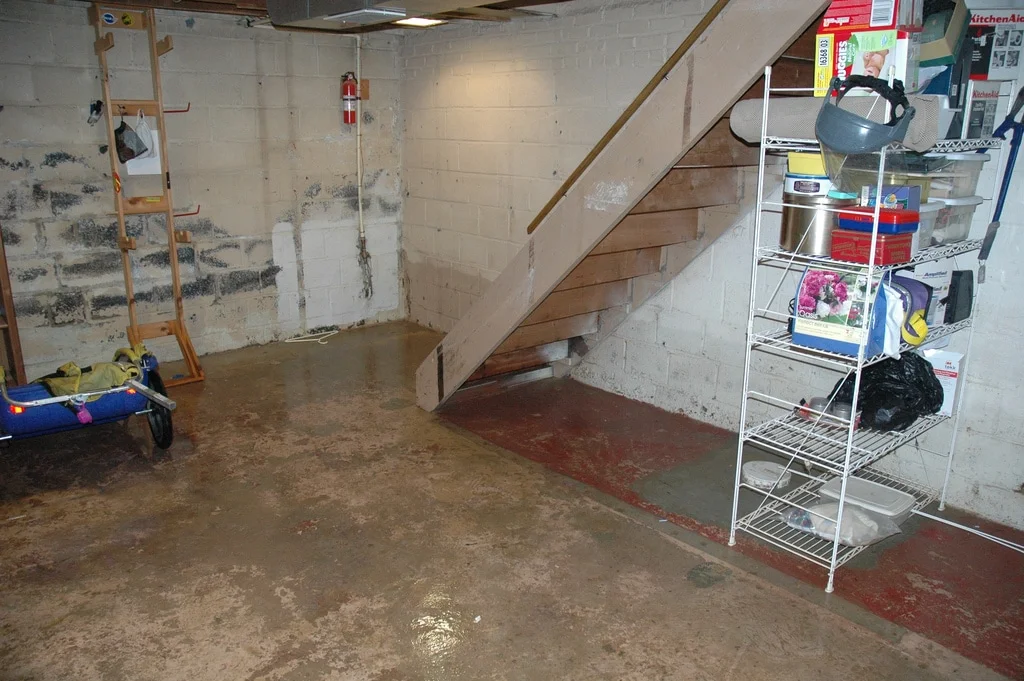
Dealing with sewage issues is one of the most unpleasant experiences a homeowner can face. Not only does it create an immediate mess, but it also poses serious health risks if not handled properly. Understanding essential sewage cleanup techniques can help homeowners manage the situation safely and efficiently. This guide covers practical tips and key considerations for tackling sewage problems in your home.
Understanding the Risks of Sewage
Sewage contains bacteria, viruses, and other harmful pathogens that can cause illnesses ranging from minor stomach problems to serious infections. Exposure to untreated sewage can lead to skin rashes, respiratory issues, and gastrointestinal diseases. Additionally, sewage often carries harmful chemicals, making protective measures critical during cleanup. Recognizing these dangers is the first step in ensuring your safety during any sewage cleanup operation.
Safety First: Protecting Yourself
Before beginning any sewage cleanup, it’s crucial to prioritize personal safety. Always wear protective clothing, including rubber gloves, waterproof boots, and long sleeves. Eye protection and a mask are recommended to prevent exposure to harmful particles or splashes. Avoid direct contact with sewage whenever possible, and never allow children or pets near the affected area. Taking these precautions minimizes the risk of infections and injuries.
Assessing the Situation
Not all sewage issues are equal. Minor backups may be manageable by a homeowner, while significant spills require professional intervention. Begin by identifying the source of the problem, whether it’s a clogged toilet, broken pipe, or main sewer line failure. Determine the extent of contamination and decide if the cleanup is within your capacity or if it’s time to call experts. Having a clear understanding of the situation ensures you approach the cleanup efficiently and safely.
Removing Excess Water and Waste
A critical step in sewage cleanup is removing any standing water and solid waste. Use a wet/dry vacuum, mop, or pump to extract water, taking care to avoid splashing. Solid debris should be collected using shovels or heavy-duty scoops and disposed of in sealed plastic bags. Quick removal of excess water prevents further damage to your flooring, walls, and furniture, while also reducing the growth of mold and mildew.
Cleaning and Disinfecting Surfaces
After removing the bulk of the sewage, thorough cleaning and disinfection are essential. Start by washing all affected surfaces with hot water and a strong detergent. Follow this with a disinfectant solution designed to kill bacteria and viruses commonly found in sewage. Pay extra attention to porous materials like carpets, rugs, and upholstery, as these can harbor harmful pathogens even after washing. In many cases, it may be safer to discard heavily contaminated items.
Handling Contaminated Materials
Sewage often damages materials that cannot be fully sanitized. Carpets, drywall, insulation, and certain furniture items may need to be removed and replaced. Carefully bag and seal these items to prevent cross-contamination. When dealing with materials that are not easily replaced, consider consulting professionals for proper treatment and cleaning methods. Proper handling of contaminated materials helps maintain a safe living environment and prevents recurring health hazards.
Dealing with Odors
Sewage can leave a lingering and unpleasant odor even after cleaning. Ventilation is key to reducing smells; open windows and use fans to circulate fresh air. Specialized deodorizing products and enzyme-based cleaners can also neutralize odors effectively. Avoid masking the smell with air fresheners alone, as this does not eliminate the bacteria or underlying contamination causing the odor. Proper odor control is essential for restoring a comfortable and safe home environment.
Preventing Mold Growth
Sewage and excess water create ideal conditions for mold growth, which can begin within 24–48 hours. Use dehumidifiers and fans to dry affected areas completely. Inspect walls, floors, and hidden spaces for signs of moisture and treat promptly with anti-microbial solutions. Preventing mold not only protects your home’s structure but also safeguards your family from respiratory issues and allergic reactions commonly associated with mold exposure.
When to Call Professionals
While some sewage cleanup tasks can be handled by homeowners, large-scale or severe contamination often requires professional help. Certified sewage cleanup services have specialized equipment, training, and protective gear to handle hazardous waste safely. They can efficiently restore your home, minimizing the risk of infection and structural damage. Calling professionals ensures that the cleanup is thorough, compliant with safety regulations, and completed quickly, reducing stress for homeowners.
Maintenance and Prevention Tips
Preventing future sewage issues is just as important as cleanup. Regularly inspect your plumbing system for leaks, corrosion, or blockages. Avoid flushing items like wipes, grease, or other non-degradable materials that can clog pipes. Installing backflow prevention valves can protect your home from sewer backups during heavy rains. Routine maintenance and proactive measures reduce the likelihood of sewage problems, saving you time, money, and unnecessary stress in the long run.
Understanding Insurance Coverage
Sewage damage can be costly, so reviewing your homeowner’s insurance policy is essential. Many policies cover certain types of sewage backups, but coverage varies depending on the source of the damage and whether preventive measures were in place. Document the damage with photos and keep records of cleanup expenses. Understanding your insurance coverage can help you recover costs and avoid unexpected financial burdens after a sewage incident.
Staying Calm and Focused
Dealing with sewage is stressful, but maintaining a calm and methodical approach is critical. Quickly assessing the situation, taking safety precautions, and implementing cleanup steps systematically prevents accidents and further damage. Avoid rushing or cutting corners, as improper handling of sewage can increase health risks and prolong recovery time. Staying organized and following these tips ensures a safer and more efficient cleanup process.
Conclusion
Sewage cleanup is a challenging but manageable task if homeowners approach it with knowledge, preparation, and caution. Prioritizing safety, properly disinfecting surfaces, and addressing contamination quickly are vital steps in protecting your home and family. Recognizing when professional help is needed and taking preventive measures can further reduce risks in the future. By following these essential sewage cleanup tips, homeowners can effectively restore their living spaces while minimizing health hazards and property damage.