
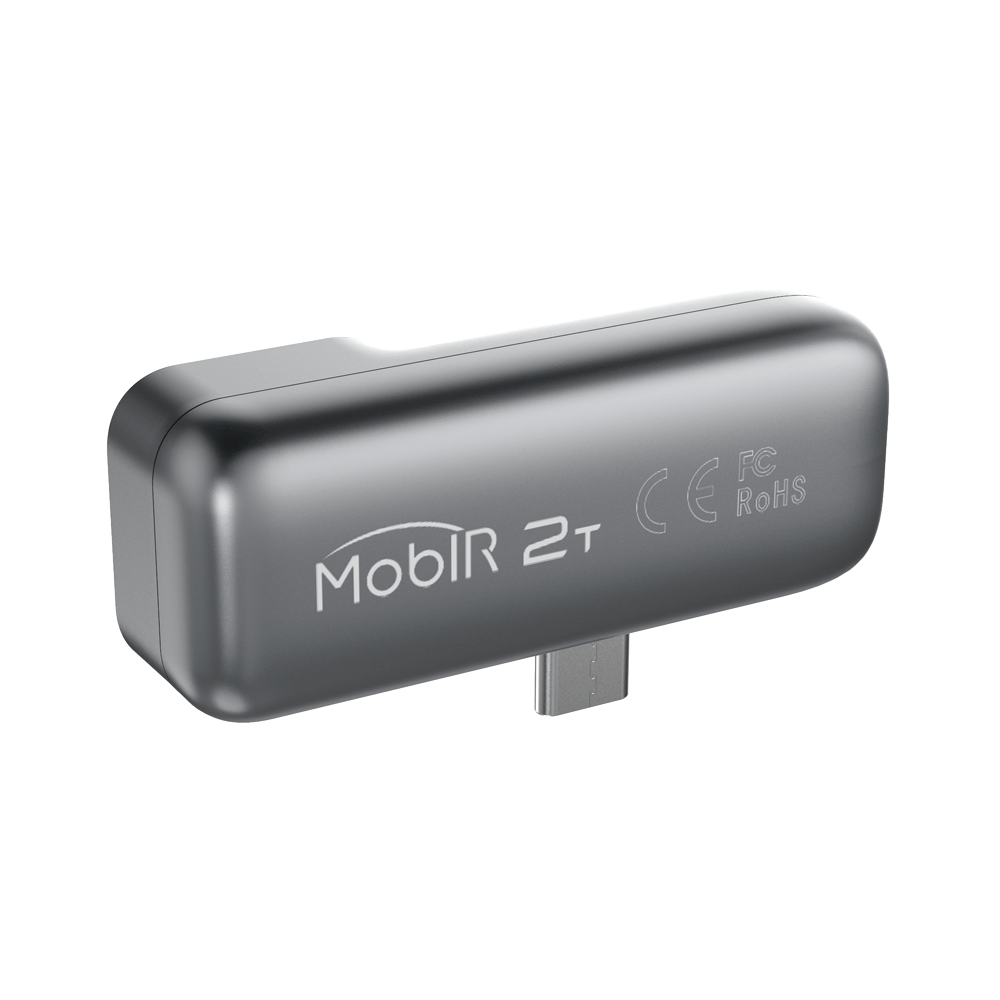
In recent years, mobile infrared cameras for temperature measurement have become indispensable tools across industries such as healthcare, manufacturing, energy, and building inspections. These devices provide a fast, non-contact method for detecting heat patterns and identifying anomalies in real time. Unlike traditional thermometers, which require physical contact, infrared technology measures thermal radiation emitted by objects, allowing professionals to monitor temperature safely and efficiently.
Understanding the Basics of Infrared Technology
Infrared cameras operate based on the principle that all objects emit infrared radiation proportional to their temperature. This radiation, invisible to the human eye, is captured by sensors in the camera and translated into a visual image, often called a thermogram. Thermograms use color gradients to represent temperature variations, making it easy to spot hot spots or cold zones at a glance.
A mobile infrared camera for temperature measurement typically uses a microbolometer or photon detector to detect infrared radiation. Microbolometers are popular in commercial and industrial applications because they are sensitive, compact, and do not require cooling. Photon detectors, on the other hand, are more sensitive and are often used in scientific and high-precision applications but require complex cooling mechanisms.
Advantages of Using Mobile Infrared Cameras
One of the primary benefits of a mobile infrared camera for temperature measurement is its portability. Engineers, technicians, and healthcare professionals can carry these devices to various sites, capturing thermal data in areas that might be dangerous or difficult to access. This mobility ensures rapid decision-making and enhances operational efficiency.
Another advantage is safety. Because infrared cameras measure temperature without direct contact, they reduce the risk of injury or contamination. This feature is particularly vital in medical environments, such as monitoring fevers in patients, or in industrial settings where surfaces can reach extreme temperatures.
Key Components of Mobile Infrared Cameras
A mobile infrared camera for temperature measurement contains several critical components. The first is the lens system, designed to focus infrared radiation onto the sensor. The sensor then converts this radiation into an electronic signal, which the camera’s processor interprets and displays as a thermal image.
The processor in the camera often comes equipped with software capable of analyzing temperature patterns, measuring temperature differences, and generating reports. Advanced models can integrate AI to detect anomalies automatically, improving the accuracy and speed of inspections. The display screen or connected mobile device allows users to view the thermogram in real-time and make immediate assessments.
Applications Across Industries
Mobile infrared cameras have widespread applications in multiple sectors. In building inspections, they detect heat loss, insulation issues, and water leaks. Electrical engineers use them to identify overloaded circuits, overheating components, or failing equipment. In the medical field, these cameras assist in fever screening, inflammation detection, and monitoring of chronic conditions.
Energy and utility sectors also benefit from mobile infrared cameras for temperature measurement. Thermal imaging allows operators to detect inefficiencies in machinery, pipelines, and power lines, preventing costly downtime and potential hazards. Even in agriculture, infrared cameras monitor plant health by measuring leaf temperature and water stress levels.
Accuracy and Calibration Considerations
While mobile infrared cameras for temperature measurement are highly effective, accuracy depends on proper calibration and understanding of environmental factors. Factors such as emissivity, distance, ambient temperature, and reflective surfaces can affect readings. Emissivity refers to a material’s ability to emit infrared radiation. Different materials emit radiation differently, so setting the correct emissivity in the camera is crucial for precise measurements.
Distance also plays a role; the farther the object, the more radiation can be absorbed or scattered, leading to errors. Modern mobile infrared cameras often include built-in calibration tools and algorithms to correct these variables, ensuring reliable results.
Advancements in Mobile Infrared Camera Technology
Recent technological advancements have significantly enhanced the capabilities of mobile infrared cameras for temperature measurement. Many devices now feature high-resolution sensors, allowing for detailed thermal imaging even at long distances. Integration with smartphones and tablets provides cloud connectivity, enabling data storage, remote monitoring, and collaboration between teams in different locations.
Artificial intelligence and machine learning are also being incorporated into infrared technology. AI algorithms can analyze thermal patterns, detect anomalies, and provide predictive maintenance insights. This reduces the need for manual inspections and minimizes human error, making processes more efficient and cost-effective.
Choosing the Right Mobile Infrared Camera
Selecting a mobile infrared camera for temperature measurement requires evaluating the intended application. Key factors include resolution, thermal sensitivity, portability, and connectivity options. Higher resolution allows for more detailed thermograms, while high thermal sensitivity ensures the camera detects even small temperature differences. Battery life and device ruggedness are essential for fieldwork, and connectivity features like Wi-Fi or Bluetooth facilitate data sharing and remote access.
Training is another crucial aspect. Users must understand how to operate the camera correctly, interpret thermal images, and account for factors that may affect accuracy. Many manufacturers offer tutorials, guides, and software support to help professionals maximize the effectiveness of their devices.
Future Trends in Infrared Temperature Measurement
The future of mobile infrared cameras for temperature measurement looks promising, with continuous improvements in sensor technology, AI integration, and device portability. As sensors become more sensitive and affordable, the use of mobile infrared cameras is expected to expand into everyday applications, from smart home monitoring to personal healthcare devices.
Additionally, advancements in AI-driven analytics will allow for predictive temperature monitoring in real-time, transforming industries like manufacturing and energy management. This proactive approach to monitoring will help prevent equipment failures, improve safety, and reduce operational costs.
Conclusion
Mobile infrared cameras for temperature measurement represent a significant leap forward in thermal imaging technology. By combining portability, precision, and advanced analytics, these devices offer a non-contact, efficient, and versatile solution for temperature monitoring across a wide range of industries. Whether it’s ensuring electrical safety, improving building energy efficiency, monitoring patient health, or conducting industrial inspections, mobile infrared cameras are proving to be invaluable tools for professionals worldwide.
As technology continues to evolve, the role of mobile infrared cameras will only grow, making accurate, real-time temperature measurement more accessible and reliable than ever before. Investing in the right camera, understanding its features, and using it correctly can make all the difference in achieving accurate results and improving operational efficiency.