
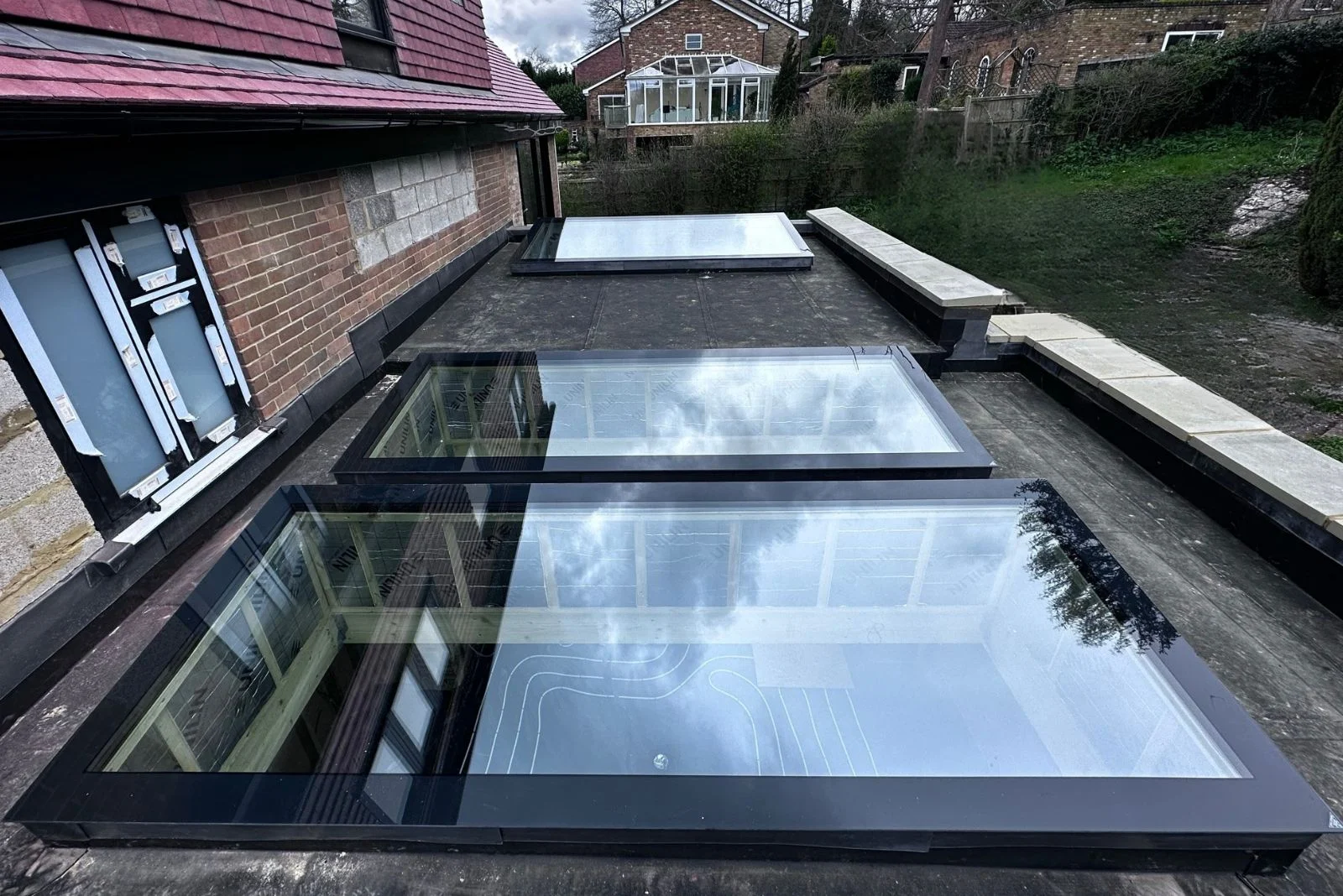
Maximizing natural light in your home not only enhances the aesthetic appeal but also improves mood, productivity, and energy efficiency. One of the most effective ways to achieve this is by installing a flat roof skylight or roof windows. These architectural elements allow sunlight to flood your space, creating a warm and inviting atmosphere. However, simply having a skylight or roof window isn’t enough. Proper planning and strategic placement are key to achieving maximum brightness. In this article, we will explore practical tips and techniques to optimize lighting using flat roof skylights and roof windows.
Understanding Flat Roof Skylights
Flat roof skylights are a popular choice for modern homes due to their sleek design and unobtrusive installation. Unlike traditional pitched skylights, flat roof skylights sit flush with the roof surface, providing a minimalist look. They are ideal for rooms with flat roofs or areas where traditional windows are not feasible. The primary advantage of flat roof skylights is their ability to bring abundant natural light into spaces that might otherwise feel dark or confined.
When considering flat roof skylights, it is essential to understand how light interacts with the structure. The angle and size of the skylight, along with the transparency of the glass, can significantly impact the amount of light entering the room. Opting for high-quality glazing with anti-glare or UV-protective coatings can help maximize brightness while preventing excessive heat and fading of interior furnishings.
Choosing the Right Size and Placement
The first step in achieving maximum brightness is selecting the appropriate size and location for your flat roof skylight or roof windows. Larger skylights naturally allow more light to enter, but they must be balanced with energy efficiency considerations. A skylight that is too large can lead to unwanted heat gain or loss, impacting your home’s energy consumption.
Placement is equally critical. Ideally, skylights should be positioned to capture the path of the sun throughout the day. South-facing installations in the northern hemisphere and north-facing in the southern hemisphere typically provide the most consistent light. Additionally, consider the room’s purpose when choosing placement: a kitchen or living area may benefit from more direct sunlight, whereas a bedroom might require softer, diffused light.
Incorporating Roof Windows for Enhanced Light
While flat roof skylights are excellent for overhead lighting, integrating roof windows can complement this by providing vertical light sources. Roof windows not only increase natural illumination but also offer ventilation, helping to regulate indoor temperature and reduce moisture buildup. Combining flat roof skylights with strategically placed roof windows can create a layered lighting effect, ensuring that light reaches every corner of the room.
When installing roof windows alongside skylights, it is essential to consider the spacing and orientation. Avoid placing multiple openings too close together, as this can cause uneven lighting and harsh shadows. Properly distributed openings will create a balanced and visually appealing environment.
Using Light-Reflective Surfaces
To maximize the brightness from your flat roof skylight or roof windows, take advantage of reflective surfaces within the room. Light-colored walls, ceilings, and flooring can significantly amplify the effect of natural light. Mirrors are another powerful tool, as they reflect sunlight deeper into the room and create the illusion of a larger space.
For areas where direct sunlight might cause glare, using light-diffusing materials such as sheer curtains or frosted glass can soften the intensity while still maintaining ample brightness. This approach is particularly beneficial in rooms with a large skylight, preventing hotspots while enhancing overall illumination.
Strategic Interior Design
Interior design choices play a critical role in optimizing skylight and roof window lighting. Minimalist furniture arrangements and open-plan layouts allow light to flow freely without obstruction. Avoid placing tall furniture directly under skylights, as this can create shadows and reduce the effectiveness of natural illumination.
Additionally, selecting materials with high reflectance, such as glossy surfaces or metallic finishes, can enhance brightness. Even small design details, like reflective backsplash tiles in kitchens or light-colored rugs in living areas, contribute to maximizing the natural light entering from flat roof skylights and roof windows.
Seasonal Considerations
Natural lighting varies with the seasons, and effective skylight and roof window planning accounts for this fluctuation. In winter, when sunlight is lower, larger openings can help bring warmth and brightness into the home. Conversely, in summer, the intensity of sunlight may need to be moderated using external shading, blinds, or UV-protective glazing.
Adjustable roof windows provide flexibility for seasonal changes, allowing you to control both light and airflow. Integrating these features ensures that your home remains well-lit and comfortable year-round, making the most of every ray of natural sunlight.
Energy Efficiency and Light Management
Optimizing natural light doesn’t mean compromising energy efficiency. Modern flat roof skylights and roof windows come with insulated glazing, low-emissivity coatings, and energy-efficient frames that reduce heat transfer. These features allow you to enjoy maximum brightness without driving up heating or cooling costs.
Smart lighting solutions can also complement skylight and roof window installations. Combining natural light with energy-efficient LED lighting controlled by dimmers or motion sensors ensures consistent brightness throughout the day and night, reducing electricity usage while maintaining comfort.
Maintenance Tips for Long-Lasting Brightness
Maintaining your flat roof skylight and roof windows is crucial for preserving maximum brightness. Dirt, debris, and water stains can obstruct sunlight, reducing the overall illumination. Regular cleaning of both the interior and exterior surfaces will keep your skylights clear and functional.
Additionally, inspecting seals, flashing, and frames for leaks or damage ensures that your skylights continue to perform efficiently. A well-maintained skylight or roof window not only provides superior light but also prevents costly repairs and energy loss over time.
Conclusion
Flat roof skylights and roof windows are transformative features that bring natural light into homes, enhancing both aesthetics and functionality. By carefully considering placement, size, interior design, and maintenance, you can achieve maximum brightness and enjoy the many benefits of natural illumination. Utilizing reflective surfaces, integrating roof windows, and accounting for seasonal changes will further optimize light distribution, making your home brighter, more inviting, and energy-efficient. With these strategies, your flat roof skylight and roof windows will not only illuminate your space but also elevate the overall living experience.
Natural light is a powerful design tool, and with thoughtful planning, your flat roof skylight and roof windows can turn any room into a sunlit haven.