
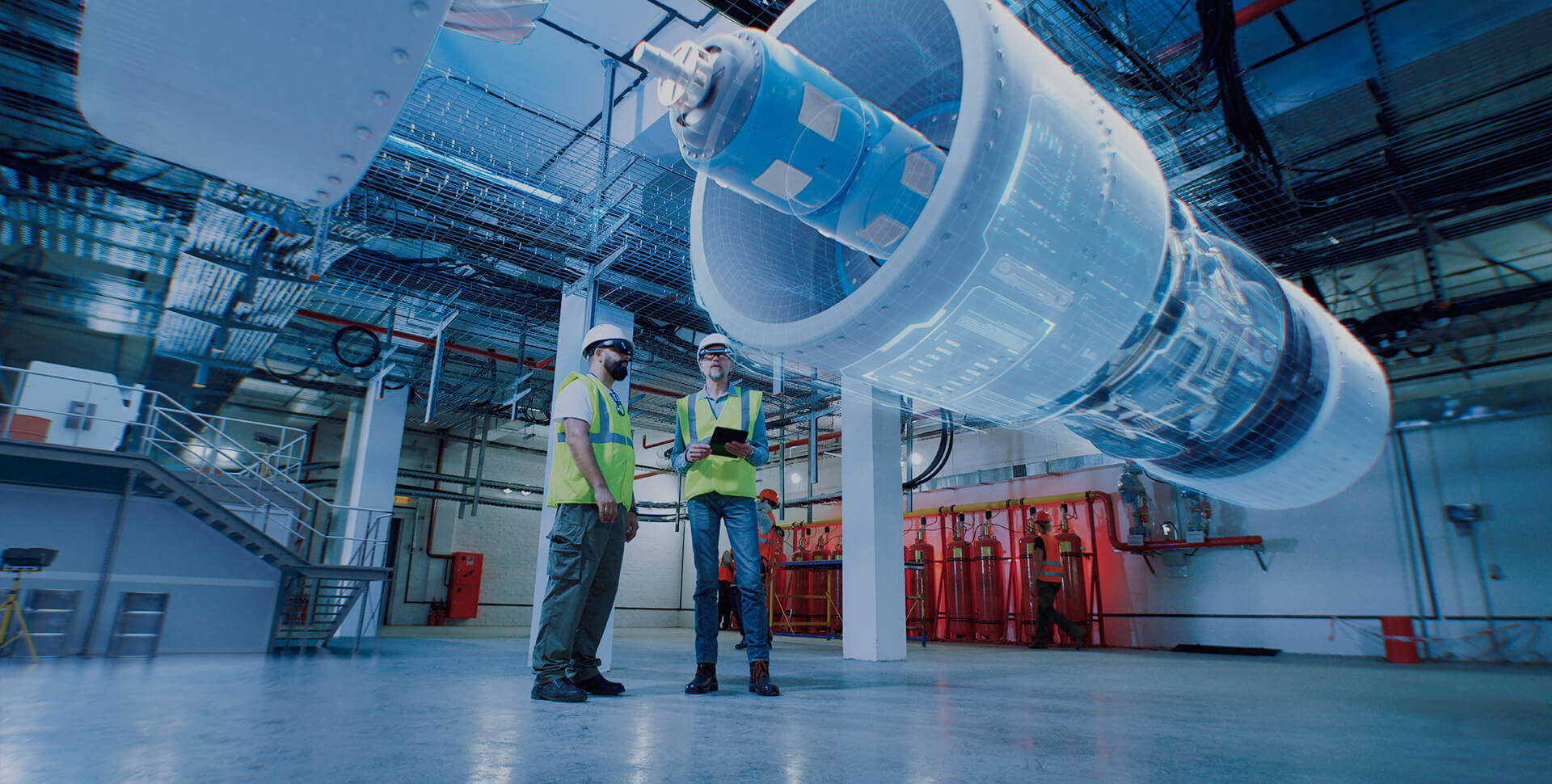
Energy efficiency has become a top priority for industries that rely heavily on steam generation and heating systems. One of the most effective ways to achieve substantial energy savings is through efficient boiler island retrofits. By upgrading the components of a boiler island, facilities can significantly reduce energy consumption, lower operational costs, and extend the lifespan of their equipment.
Understanding Boiler Island Retrofits
A boiler island is the combination of boilers, pumps, heat exchangers, and associated piping and controls that work together to provide steam and hot water for industrial processes or building heating. Over time, these systems can become outdated, inefficient, or prone to failures. Retrofits are modifications or upgrades made to improve the performance of these systems without the need for complete replacement.
Efficient boiler island retrofits focus on optimizing energy usage by addressing inefficiencies in boilers, ancillary equipment, and control systems. Retrofitting can include upgrading boiler burners, installing advanced control systems, enhancing heat recovery, and replacing outdated pumps and valves.
Benefits of Upgrading to Efficient Boiler Island Retrofits
Implementing efficient boiler island retrofits offers numerous advantages, including:
- Reduced Energy Costs: Modern retrofits enhance boiler efficiency, reducing fuel consumption and operational expenses.
- Lower Carbon Emissions: More efficient systems produce less greenhouse gas, supporting sustainability goals.
- Improved Reliability: Upgraded components reduce the risk of unplanned downtime and extend equipment lifespan.
- Optimized Performance: Fine-tuning boiler island operations ensures consistent steam quality and pressure, which is crucial for industrial processes.
Investing in retrofits not only improves operational efficiency but also provides a strong return on investment through long-term savings.
Key Components for Energy-Efficient Retrofits
To maximize the benefits of efficient boiler island retrofits, it is essential to focus on key components within the system.
Boiler Burners
Burners play a critical role in controlling fuel combustion. Upgrading to high-efficiency burners can optimize the air-to-fuel ratio, reduce excess oxygen, and ensure complete combustion. Modern burners also feature modulation capabilities that adjust output based on demand, preventing energy waste.
Economizers and Heat Recovery
Heat recovery systems, such as economizers, capture waste heat from flue gases and use it to preheat boiler feedwater. This reduces the energy required for steam generation and can significantly lower fuel consumption. Incorporating economizers into existing boiler islands is a proven strategy for energy-efficient retrofits.
Pumps and Motors
Pumps are essential for circulating water and steam throughout the system. Retrofitting older pumps with energy-efficient models, equipped with variable frequency drives (VFDs), ensures that the flow rate matches demand, avoiding unnecessary power use. VFDs allow pumps to operate at variable speeds, saving energy and reducing mechanical stress.
Control Systems
Advanced control systems are the backbone of an energy-efficient boiler island. These systems monitor pressure, temperature, and flow rates to optimize performance. Retrofitting with smart controllers enables real-time data analysis, predictive maintenance, and automated adjustments that improve overall efficiency.
Steps to Implementing Efficient Boiler Island Retrofits
A successful retrofit project requires careful planning and execution. The following steps outline a systematic approach:
- Assessment and Audit: Conduct a comprehensive energy audit of the existing boiler island. Identify inefficiencies, outdated equipment, and potential areas for improvement.
- Design and Planning: Develop a retrofit plan that incorporates the latest technologies and best practices. Ensure the design aligns with operational requirements and energy-saving goals.
- Equipment Selection: Choose high-efficiency components, including boilers, burners, pumps, and control systems. Ensure compatibility with existing infrastructure.
- Installation: Implement upgrades with minimal disruption to operations. Experienced technicians should handle modifications to ensure safety and reliability.
- Testing and Commissioning: After installation, perform rigorous testing to confirm that the system operates efficiently and meets performance standards.
- Monitoring and Optimization: Continuously monitor system performance using advanced controls. Make adjustments as needed to maintain optimal efficiency.
Following these steps ensures that the retrofit project delivers maximum energy savings and operational benefits.
Common Retrofit Strategies for Maximum Efficiency
Several proven strategies can enhance the efficiency of a boiler island:
- Boiler Sequencing: Using multiple boilers in sequence allows the system to match load demands, avoiding the inefficiencies of running all boilers simultaneously.
- Condensate Recovery: Returning condensate to the boiler reduces the need for fresh water heating, saving energy and water.
- Insulation Improvements: Upgrading insulation on pipes, tanks, and boilers reduces heat loss and prevents energy waste.
- Flue Gas Analysis: Regularly analyzing flue gas composition helps fine-tune combustion for maximum efficiency.
Each of these strategies, when incorporated into efficient boiler island retrofits, contributes to long-term energy and cost savings.
Case Studies Demonstrating Retrofit Success
Numerous industrial facilities have achieved remarkable results by implementing efficient boiler island retrofits. For example, a manufacturing plant upgraded its outdated burners and installed economizers across multiple boilers. The retrofit reduced fuel consumption by over 15% and improved steam output consistency, leading to significant operational savings.
Similarly, a large commercial facility retrofitted its pumps with VFD-equipped models and upgraded its control system. Energy usage decreased dramatically, and maintenance requirements dropped due to reduced mechanical strain on equipment.
These real-world examples highlight the tangible benefits of carefully planned and executed retrofits.
Challenges and Considerations
While retrofits offer clear benefits, there are challenges to consider:
- Initial Investment: Although retrofits save money long-term, upfront costs can be substantial. Careful ROI analysis is essential.
- Compatibility: Older boiler islands may have structural or technical limitations. Ensuring new components integrate seamlessly is critical.
- Downtime Management: Retrofitting often requires temporary shutdowns. Scheduling upgrades to minimize disruption is a key consideration.
Working with experienced engineers and energy consultants can help mitigate these challenges and ensure a smooth retrofit process.
Future Trends in Boiler Island Efficiency
The evolution of energy-efficient technologies continues to drive improvements in boiler islands. Key trends include:
- IoT and Smart Monitoring: Real-time monitoring and predictive maintenance allow operators to proactively manage energy usage.
- Renewable Integration: Incorporating renewable energy sources, such as solar thermal or biomass, can complement traditional boilers and reduce fossil fuel reliance.
- Advanced Combustion Technologies: Next-generation burners and automated control algorithms further enhance efficiency and reduce emissions.
Adopting these innovations ensures that retrofitted boiler islands remain efficient and sustainable well into the future.
Conclusion
Maximizing energy efficiency through efficient boiler island retrofits is a strategic approach that delivers measurable benefits, including reduced energy costs, lower emissions, improved reliability, and optimized performance. By upgrading key components, implementing advanced control systems, and employing proven retrofit strategies, industries can achieve significant operational and environmental gains.
Careful planning, professional execution, and continuous monitoring are essential for successful retrofits. As energy costs rise and sustainability requirements become more stringent, retrofitting existing boiler islands represents a cost-effective and practical solution to meet modern efficiency standards.
Investing in efficient boiler island retrofits is not just an operational improvement—it is a long-term commitment to energy sustainability, cost savings, and system reliability.