
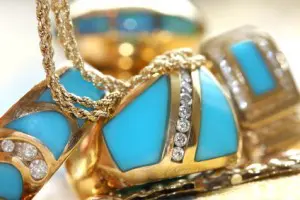
In the world of jewelry, certain pieces stand out not only for their beauty but also for their artistry and craftsmanship. Among these, inlay jewelry has carved a unique niche, captivating collectors and enthusiasts alike. Its intricate designs, vivid colors, and the meticulous skill required to create it make inlay jewelry a timeless addition to any collection. Whether you are a seasoned collector or a newcomer looking to invest in pieces that combine tradition and innovation, understanding the allure of inlay jewelry is essential.
The Art and Craftsmanship Behind Inlay Jewelry
Inlay jewelry is a form of decorative art where materials such as gemstones, shells, wood, or metals are carefully set into the surface of a base material to create a seamless and often intricate design. The process demands precision and patience, as each piece must be cut, fitted, and polished to perfection. This meticulous craftsmanship is what makes inlay jewelry highly valued. Unlike mass-produced jewelry, inlay pieces often bear the mark of a skilled artisan, making each item unique.
The techniques used in inlay jewelry vary across cultures and regions. For example, Native American inlay often features turquoise, coral, and onyx in sterling silver, creating geometric patterns that reflect cultural heritage. Similarly, Italian micro-mosaic inlay uses tiny glass pieces to form detailed images, demonstrating incredible precision and artistic vision. The diversity of materials and methods adds depth and richness to the appeal of inlay jewelry, making it a versatile choice for collectors.
A Spectrum of Colors and Materials
One of the most captivating aspects of inlay jewelry is its use of color. The combination of contrasting materials allows for the creation of vivid and eye-catching patterns. Gemstones like lapis lazuli, malachite, and mother-of-pearl are often used to create striking designs that play with light and texture. The inlay technique enhances the natural beauty of these materials, highlighting their unique qualities and making them stand out in ways that traditional settings cannot achieve.
In addition to gemstones, metals such as gold, silver, and brass are commonly incorporated into inlay designs. These metals not only provide a durable base but also add a reflective quality that enhances the overall aesthetic. Wood and resin are also popular choices, offering a natural warmth and flexibility that can be combined with stones or shells. The wide range of materials ensures that inlay jewelry can suit any taste, from bold statement pieces to subtle, elegant accents.
Timeless Appeal and Versatility
Inlay jewelry has a timeless appeal that transcends fashion trends. Its intricate designs and vibrant colors make it a conversation starter, while its durability ensures that it can be passed down through generations. Unlike some jewelry styles that may go out of fashion, inlay jewelry maintains its charm due to the artistry involved. Each piece tells a story, reflecting the skill of the artisan and the cultural influences that inspired it.
Versatility is another reason why inlay jewelry is a must-have. It can be incorporated into rings, bracelets, necklaces, earrings, and even cufflinks, offering options for various occasions and personal styles. A single inlay pendant can elevate a simple outfit, while a pair of inlay earrings can add a pop of color and sophistication. Whether worn casually or for formal events, inlay jewelry seamlessly blends with different wardrobes, making it a practical yet luxurious addition to any collection.
Cultural Significance and Historical Value
Beyond its aesthetic appeal, inlay jewelry often carries cultural and historical significance. Many traditional inlay techniques have been passed down through generations, preserving the heritage of specific regions and communities. For collectors, owning inlay jewelry is not just about beauty—it is about connecting with history and culture. For instance, Zuni and Navajo inlay pieces reflect centuries-old Native American craftsmanship, while Italian micro-mosaics capture the artistry of Renaissance Europe.
Historical pieces of inlay jewelry can also serve as valuable investments. Antique inlay jewelry often appreciates in value due to its rarity, craftsmanship, and the historical context behind it. Collectors who seek pieces with provenance can find inlay jewelry to be both a meaningful and financially rewarding choice. Each item in a collection can represent a unique story, bridging the past and present through art.
Making Inlay Jewelry Part of Your Collection
For those looking to add inlay jewelry to their collection, there are a few considerations to keep in mind. Quality and authenticity are paramount. Look for pieces that demonstrate precise craftsmanship, smooth finishes, and well-fitted inlays. Reputable jewelers and artisans often provide certification or details about the materials used, which can be important for both aesthetic appreciation and long-term value.
Diversity in style and material can also enhance a collection. Consider mixing traditional designs with contemporary interpretations to create a dynamic assortment. Collecting pieces from different cultures or time periods not only enriches the visual appeal but also deepens the narrative behind your collection. Each piece of inlay jewelry, with its unique design and origin, contributes to a larger tapestry of artistry and human creativity.
Caring for Your Inlay Jewelry
Proper care is essential to maintain the beauty and longevity of inlay jewelry. Avoid exposing it to harsh chemicals or extreme temperatures, as these can damage delicate stones or resins. Regular cleaning with a soft, damp cloth and gentle polishing helps preserve the shine and prevents debris from accumulating in the inlay channels. Storing pieces individually in padded boxes or cloth bags prevents scratches and ensures that your collection remains pristine for years to come.
Investing in care also means preserving the legacy of the artisans who create these pieces. Inlay jewelry represents a blend of skill, patience, and artistry, and maintaining it honors the craftsmanship behind each item. With proper care, inlay jewelry can remain a treasured part of your collection, offering both aesthetic pleasure and cultural value.
Conclusion
Inlay jewelry stands out as a must-have for any discerning collector due to its unmatched combination of artistry, craftsmanship, and versatility. Its intricate designs, vibrant colors, and historical significance make it not only visually appealing but also culturally meaningful. By incorporating inlay jewelry into your collection, you are investing in pieces that tell stories, showcase exceptional skill, and offer timeless beauty. Whether you are drawn to traditional techniques or modern interpretations, the allure of inlay jewelry ensures that it will remain a cherished and valuable addition to your collection for generations to come.