
When a plumbing crisis strikes, it can be stressful and disruptive. Burst pipes, overflowing toilets, or sudden leaks demand immediate attention, and this is where an emergency plumber becomes invaluable. Understanding what services they provide, how they operate, and what costs to anticipate can make a critical situation more manageable. This guide explores what homeowners and businesses can expect from an emergency plumber, ensuring that when the need arises, you are well-prepared.
The Role of an Emergency Plumber
An emergency plumber is a professional who responds to urgent plumbing problems that require immediate attention. Unlike standard plumbing services, emergency plumbing is focused on preventing property damage, ensuring safety, and restoring essential plumbing functions as quickly as possible.
These professionals are available 24/7, including nights, weekends, and public holidays, because plumbing emergencies rarely occur during convenient hours. Their role is not just to fix the problem but also to minimize damage and provide temporary solutions if needed until a permanent repair can be made.
Common Emergency Plumbing Services
Emergency plumbers are equipped to handle a variety of urgent situations. Some of the most common services include:
Burst Pipes and Water Leaks
One of the most urgent calls an emergency plumber receives involves burst pipes or significant leaks. These situations can lead to flooding, property damage, and even mold growth. Emergency plumbers quickly locate the source of the leak, shut off the water supply if necessary, and repair or replace the damaged pipes.
Blocked Drains and Toilets
Blocked drains or toilets can create unsanitary conditions and disrupt daily life. Emergency plumbers use specialized tools such as high-pressure water jets or drain snakes to clear obstructions and restore proper flow. In severe cases, they may need to inspect the plumbing system using cameras to identify hidden blockages.
Hot Water System Failures
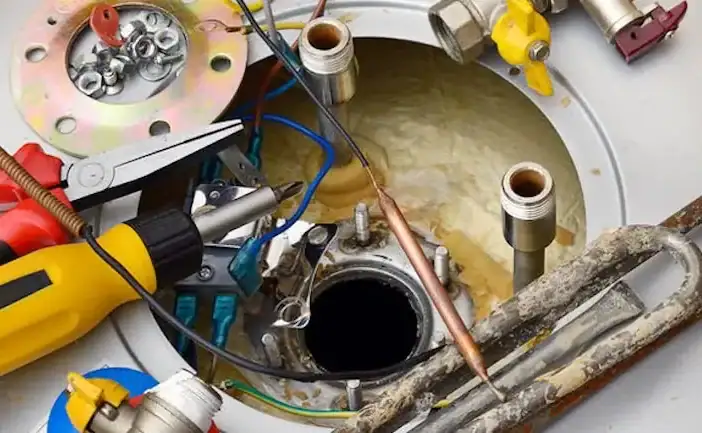
A sudden failure of a hot water system can be a major inconvenience, especially in homes with large families or businesses that rely on hot water. Emergency plumbers can repair or replace faulty components of hot water systems to restore service quickly.
Gas Leaks and Appliance Issues
Some emergency plumbers are trained to handle gas-related problems. Gas leaks pose serious safety risks, so a professional emergency plumber can detect leaks, turn off gas supplies, and repair faulty connections to prevent accidents. They may also fix or install gas-powered appliances in urgent situations.
Toilet and Sewer Backups
Sewer backups can cause serious sanitation issues. Emergency plumbers have the expertise to diagnose blockages in sewer lines, clear them, and ensure that wastewater is flowing correctly again. This service is crucial for both residential and commercial properties.
How Emergency Plumbing Works
When you contact an emergency plumber, they typically follow a structured process to ensure efficient and effective service:
- Initial Assessment: You will describe the problem over the phone. Experienced plumbers often provide immediate advice on temporary measures to minimize damage.
- Rapid Response: Emergency plumbers prioritize urgent calls and aim to reach the property as quickly as possible, often within an hour depending on location.
- Inspection and Diagnosis: Upon arrival, they assess the situation, identify the root cause, and determine the best course of action.
- Repair and Restoration: The plumber performs the necessary repairs, whether that involves replacing pipes, unclogging drains, or fixing hot water systems. They may provide temporary solutions if a permanent fix requires more time.
- Follow-Up Advice: After resolving the emergency, the plumber often provides guidance on maintenance or steps to prevent future issues.
Tools and Equipment Used by Emergency Plumbers
Emergency plumbers are equipped with specialized tools to handle urgent plumbing problems efficiently. Some of these tools include:
- Pipe wrenches and pliers for repairing or replacing pipes
- Drain snakes and hydro-jetting equipment for clearing blockages
- Pipe cameras to inspect hidden areas
- Leak detection devices to locate hard-to-find leaks
- Welding and soldering equipment for pipe repairs
- Gas detection tools for identifying potential hazards
These tools allow emergency plumbers to work quickly and accurately, reducing the risk of further damage and ensuring a long-lasting solution.
Factors That Influence Emergency Plumbing Costs
The cost of hiring an emergency plumber can vary depending on several factors:
Type of Emergency
The complexity of the problem plays a significant role in pricing. Minor leaks or clogged drains may cost less than repairing burst pipes or major sewer backups.
Time of Service
Since emergency plumbing is available 24/7, services rendered during nights, weekends, or public holidays often carry higher fees.
Location and Travel Costs
Plumbers may charge additional fees for traveling to your location, especially if it is outside their standard service area.
Materials and Parts
If repairs require replacement parts or specialized materials, these costs are usually added to the overall fee. High-quality or hard-to-source components may increase the total expense.
Labor and Expertise
Experienced emergency plumbers with extensive training and certifications may charge higher rates, but their expertise can save time and prevent further damage, often justifying the cost.
Average Cost Expectations
While costs can vary widely, homeowners can generally expect:
- Minor repairs such as leaking taps or clogged drains: $80–$200
- Moderate repairs like pipe replacements or hot water system fixes: $200–$500
- Major emergencies, including burst pipes or sewer backups: $500–$1,500 or more
It is advisable to request an upfront estimate before work begins to avoid surprises. Many emergency plumbers also offer a transparent pricing structure and may provide emergency call-out fees in addition to labor and materials.
Choosing the Right Emergency Plumber
Selecting the right emergency plumber is crucial for efficient service and peace of mind. Consider the following:
- Availability: Ensure they offer 24/7 service and a rapid response time.
- Experience: Look for licensed and insured professionals with a proven track record.
- Reputation: Check online reviews, testimonials, or recommendations from friends and family.
- Transparent Pricing: Confirm upfront costs and ask about emergency call-out fees.
- Range of Services: Ensure they can handle various emergencies, from leaks to gas issues.
Preventing Plumbing Emergencies
While an emergency plumber is essential for urgent situations, prevention is always better than cure. Regular maintenance, such as inspecting pipes, clearing drains, and servicing water heaters, can reduce the likelihood of costly emergencies. Additionally, knowing how to turn off your water or gas supply during a crisis can prevent extensive damage before the plumber arrives.
Conclusion
Understanding what to expect from an emergency plumber can make a stressful situation much more manageable. From burst pipes and blocked drains to hot water system failures and gas leaks, these professionals are trained to provide immediate, effective solutions. Costs vary depending on the type of emergency, time of service, and materials required, but the expertise and rapid response offered by emergency plumbers are invaluable when time and safety are critical. By choosing a reliable plumber and taking preventive measures, homeowners and businesses can minimize disruption and protect their property from serious damage.
Emergency plumbing is not just about fixing leaks—it’s about ensuring safety, reducing property damage, and restoring peace of mind when problems strike unexpectedly. Knowing what services are available and understanding the potential costs can help you make informed decisions when an emergency occurs.