
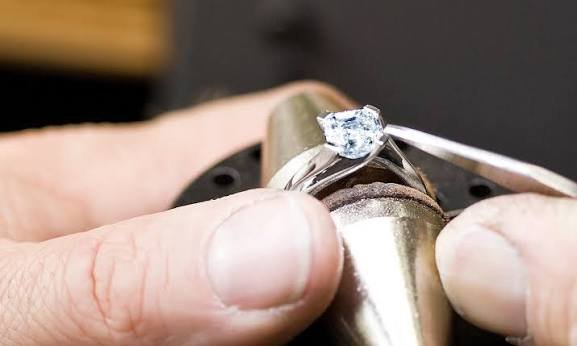
A piece of recycled gold can reach a jewellery workshop in a form that looks much like newly refined gold. What matters at the bench is the alloy, its condition and what the maker can verify about its source. An old ring that a customer brings in raises different questions. It may contain solder, several alloys or materials that need to be removed before the gold can be reused.
Reading Ideal’s perspective on sustainability in jewellery design raises a practical question about what changes between the original object and the new piece. Sometimes the main change is in the source of the refined material. Sometimes reusing a particular piece directly becomes a central part of the commission.
Understand the two common routes
A workshop can buy a prepared alloy from a supplier that documents recycled feedstock. The material may arrive as casting grain or stock for fabrication. The jeweller still chooses the fineness, colour and form suited to the design. Ask which parts of the finished piece the documentation covers, particularly if the item uses several metals or bought-in components.
A commission made from family jewellery may start with individual objects the customer supplies. The maker first needs to assess what they are made of and whether their metal can be used directly. Solder joints, unknown alloys and contaminants can complicate that work. A jeweller may recommend sending the material for refining or offering a metal credit towards a new alloy.
Find out how the choice affects the making
An alloy chosen for casting has to flow and solidify predictably in the intended design. Stock for fabrication needs to behave appropriately as it is shaped and joined. Refined recycled gold can be alloyed to a suitable specification. Uncertain composition is a separate issue that a maker has to resolve before using old jewellery directly.
Ask about colour if you are trying to match an existing piece. The yellow of an inherited ring may differ from another alloy of the same fineness. A maker can explain whether the old gold is likely to keep its visual character or whether a separate refined material would give a more reliable match. Look at samples of the proposed finish as well as the metal.
Ask what the supplier and maker can document
Request the clearest description available of the feedstock and supply chain. A hallmark gives information about precious-metal fineness and related identifiers. It does not establish that the gold was recycled. The sourcing claim needs its own support. Ask whether the quoted description refers to all the gold in the piece or only to certain components.
If keeping your family’s original material matters, ask the workshop to explain what it can do and how it records that work. Separate an emotional aim from a supplier claim. You may want the same gold to remain in the ring, or you may be happy to preserve a design feature while letting the maker use a known alloy.
Final Thought
Ask the jeweller which route they would use for your piece and why. Prepared recycled stock and reuse of family gold can both keep existing material in circulation. The right choice depends on what you want to retain and what the maker needs to produce a sound piece.