
Understanding the Importance of Building Fire Safety Planning
Building safety planning is an essential responsibility for property owners, facility managers, and commercial building operators. Offices, warehouses, hotels, retail centers, and industrial facilities all require appropriate procedures to protect occupants, employees, visitors, and valuable assets. Fire hazards can develop because of electrical problems, equipment failures, maintenance activities, or improperly stored combustible materials. A well-organized fire safety plan helps management identify these risks, establish preventive measures, and prepare employees to respond appropriately when unexpected situations occur.
An effective safety strategy involves more than installing fire alarms and sprinkler systems. Building operators must maintain protective equipment, arrange regular inspections, communicate emergency procedures, and ensure that access to evacuation routes remains unobstructed. They should also understand how temporary equipment failures could affect the building’s protection arrangements. Reviewing these responsibilities regularly helps identify weaknesses and provides opportunities to improve emergency preparedness. Consistent planning supports safer building operations while helping organizations manage potential disruptions more responsibly.
Identifying Potential Fire Hazards Across Different Buildings
Every commercial property has different characteristics that influence its fire safety requirements. Office buildings may contain electrical rooms, server equipment, kitchens, and shared workspaces. Warehouses often store packaging materials, merchandise, machinery, and other combustible products. Hotels and retail properties may have large numbers of occupants moving through public areas throughout the day. Building managers should understand these differences and evaluate how the building’s activities, layout, and occupancy patterns influence potential fire hazards.
Routine inspections can help identify unsafe storage practices, damaged electrical installations, obstructed exits, and equipment requiring maintenance. Managers should also consider changes introduced by renovations, new machinery, or alterations to building layouts. Potential hazards may develop in locations that are not regularly occupied, such as storage rooms, service corridors, and equipment spaces. Establishing a consistent inspection schedule allows responsible personnel to recognize these concerns and arrange appropriate corrective action before conditions become more difficult to manage.
Building a Reliable Fire Prevention and Emergency Response Strategy
A reliable fire prevention strategy begins with clear responsibilities and documented procedures. Building representatives should identify who manages inspections, coordinates maintenance, communicates with occupants, and contacts emergency services when necessary. Employees should receive appropriate information about evacuation routes, alarm procedures, and the reporting of potential hazards. Contractors should also understand site-specific safety expectations before beginning work. These arrangements help ensure that people know how to respond without relying on last-minute instructions during an unexpected emergency.
Emergency response planning should also account for situations in which normal fire protection equipment becomes unavailable. Alarm failures, sprinkler maintenance, damaged components, and interruptions to supporting utilities can create circumstances requiring additional precautions. Management should establish a process for assessing affected areas and consulting qualified safety professionals. Depending on the circumstances and applicable requirements, temporary monitoring, restricted access, suspended activities, or other safeguards may be necessary. A clearly defined response process helps prevent confusion while the underlying equipment problem is being addressed.
How Professional Fire Watch Services Support Building Safety
Temporary fire watch services can provide additional observation when a building’s fire protection arrangements are impaired or particular activities require designated monitoring. Assigned personnel observe specified locations, identify potential hazards, and communicate relevant information to responsible representatives. Their responsibilities depend on the building’s conditions and the instructions established by management or the appropriate authorities. Professional monitoring should complement the building’s wider safety procedures rather than replace required alarms, sprinkler systems, or other permanent protective equipment.
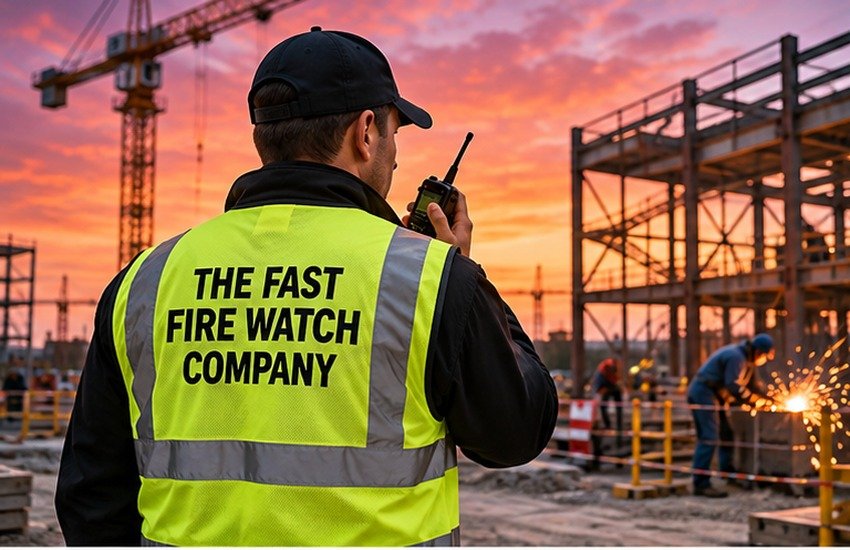
Property managers researching suitable monitoring arrangements can consider the services offered by The Fast Fire Watch Company. When discussing coverage, they should explain the property’s layout, affected equipment, occupancy conditions, operating schedule, and known hazards. These details help establish whether the proposed arrangement is appropriate for the building’s requirements. Management should also clarify staffing availability, reporting procedures, supervision, and communication responsibilities. A clearly organized service arrangement helps ensure that everyone understands the purpose and limitations of temporary monitoring.
Coordinating Fire Safety During Maintenance and Renovation Projects
Maintenance and renovation projects can temporarily change the fire safety conditions of an occupied building. Contractors may need to work on electrical installations, alarm systems, sprinkler equipment, heating systems, or structural components. These activities can introduce additional hazards or affect the availability of existing protective equipment. Building managers should coordinate planned work with contractors and qualified technicians before activities begin. Understanding which systems may be affected allows management to assess potential risks and determine whether additional precautions are necessary.
Construction work involving welding, cutting, grinding, and similar hot work activities requires particular attention. Sparks and heated materials can ignite combustible substances in surrounding locations. Employers and contractors should follow applicable hot work permit procedures and establish the required precautions before beginning work. These may include removing combustible materials, protecting nearby surfaces, providing suitable firefighting equipment, and assigning qualified fire watch personnel when required. Managers should also ensure that contractors understand access restrictions, emergency procedures, and the process for reporting changing site conditions.
Developing Effective Monitoring and Communication Procedures
Monitoring arrangements should be based on the areas requiring additional observation and the risks identified during the building safety assessment. Management should establish designated locations, patrol responsibilities, reporting procedures, and appropriate coverage schedules. Large commercial properties may require coordination across several floors, departments, entrances, or separate buildings. The plan should also account for operating hours and occupancy changes so that monitoring responsibilities remain clear when business activities change throughout the day.
Communication procedures are equally important because several individuals may participate in managing an equipment impairment or temporary safety arrangement. Building representatives, maintenance technicians, contractors, and monitoring personnel should understand whom to contact when a potential hazard is identified. Contact information should remain accessible, and important changes should be communicated promptly. Shift handovers should include information about existing concerns, completed observations, and outstanding instructions. Clear communication helps reduce misunderstandings and supports consistent implementation of the building’s safety plan.
Managing Fire Protection Equipment Impairments Responsibly
Fire protection equipment may become temporarily unavailable because of technical faults, damaged components, scheduled maintenance, or unexpected operational problems. When an impairment occurs, building management should identify the affected system and determine how the problem influences the property’s overall protection. A malfunction involving a limited section of an alarm system may require different precautions from an interruption affecting an entire sprinkler installation. Qualified technicians should investigate the issue, while responsible representatives evaluate the necessary temporary measures.
Management should maintain accurate information about the impairment, including its location, expected repair duration, affected occupants, and any operational restrictions. Where required, the appropriate authorities should be notified and their instructions followed. Temporary monitoring arrangements should be reviewed whenever site conditions change or repairs take longer than expected. Personnel involved in the response should receive updated instructions so that responsibilities remain clear. A structured approach helps building operators manage interruptions without overlooking the safety requirements associated with their property.
Maintaining Fire Safety Records and Employee Awareness
Accurate documentation provides building managers with a useful record of inspections, maintenance activities, safety concerns, and temporary monitoring arrangements. Depending on applicable requirements, records may include equipment inspection results, impairment notifications, personnel assignments, patrol observations, repair updates, and restoration details. Keeping this information organized helps responsible representatives understand what actions have been taken and which issues remain outstanding. It also provides a reference when reviewing the effectiveness of existing procedures or preparing for future maintenance projects.
Employee awareness is another important part of maintaining a safe building environment. Staff members should understand how to recognize potential hazards, report equipment problems, and follow established evacuation procedures. New employees and contractors should receive relevant safety information before beginning work in the building. Management can reinforce awareness through appropriate training, safety meetings, and periodic reviews of emergency procedures. Encouraging employees to report concerns promptly helps organizations identify potential problems and maintain better communication between departments.
Verifying Repairs and Restoring Normal Building Protection
When fire protection equipment requires repairs, building managers should coordinate with qualified technicians to verify that the affected systems have been restored properly. Depending on the equipment involved, restoration may require inspections, operational testing, and confirmation that all relevant components are functioning correctly. Simply completing a repair does not necessarily establish that the entire system is ready for normal operation. Responsible representatives should obtain the appropriate confirmation and follow any required notification or approval procedures.
Temporary precautions should remain in place until the responsible parties determine that normal protection has been restored and additional monitoring is no longer necessary. Building management should communicate the restoration status to employees, contractors, and other relevant occupants. Any temporary restrictions should only be removed when appropriate, and relevant records should be updated. A controlled restoration process helps prevent premature changes to safety arrangements and ensures that everyone understands when normal building operations can safely resume.
Improving Long-Term Safety Planning for Commercial Properties
Long-term building safety requires regular attention to equipment maintenance, employee awareness, emergency procedures, and changing property conditions. Managers should review their fire safety plans periodically and ensure that inspection schedules remain appropriate for the building. Changes to occupancy, storage arrangements, equipment installations, and renovation activities should also be considered when evaluating potential hazards. Maintaining updated procedures helps organizations respond more effectively to unexpected problems and supports a consistent approach to workplace safety.
Businesses can strengthen their preparedness by establishing clear procedures for reporting fire protection impairments, coordinating maintenance work, and arranging temporary safeguards when required. Building operators should also maintain communication with qualified technicians and suitable fire watch service providers. Reviewing previous maintenance interruptions can help identify opportunities to improve planning, reporting, and operational coordination. By combining preventive maintenance, appropriate monitoring, employee awareness, and responsible management, commercial property owners can develop stronger fire safety practices and maintain safer environments for everyone using their buildings.