
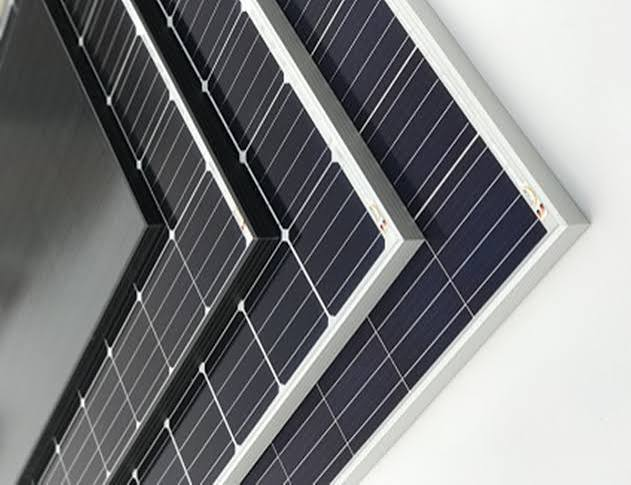
The solar energy industry is expanding rapidly as businesses, homeowners, developers, and energy providers look for cleaner and more efficient ways to generate electricity. As demand grows, buyers are also seeking solar products that match their specific technical, branding, and installation requirements. This is where an Oem Solar Panel can provide an effective solution.
OEM, or Original Equipment Manufacturer, solar panels are produced according to the specifications of another company or buyer. Instead of purchasing a standard panel directly from a general product range, businesses can work with an OEM manufacturer to develop solar modules with selected specifications, designs, labels, packaging, and performance characteristics. This approach offers greater flexibility for companies entering or expanding within the renewable energy market.
What Is an OEM Solar Panel?
An OEM solar panel is a photovoltaic module manufactured by a specialized solar producer for another company under an agreed set of requirements. The purchasing company may sell the finished panels under its own brand name or integrate them into a larger solar energy solution.
OEM manufacturing can cover different parts of the product development process. Depending on the manufacturer’s capabilities and the project requirements, customization may include panel dimensions, cell technology, electrical characteristics, appearance, labeling, packaging, and other production details.
This model is particularly useful for solar distributors, installers, energy companies, construction businesses, and private-label brands that want to offer solar products without establishing their own manufacturing facilities.
Why Choose OEM Solar Panels?
One of the main advantages of OEM solar manufacturing is customization. Standard solar modules are generally designed for broad applications, but different projects can have very different requirements. An OEM manufacturer can help develop products around those needs.
For example, a company may require a particular module size for a specialized installation. Another business might want its own logo, product labeling, packaging, and documentation. OEM manufacturing allows these requirements to be incorporated into the production process.
Another important benefit is scalability. Establishing a complete solar manufacturing operation requires significant investment in machinery, facilities, technical expertise, quality control, and supply chains. Working with an established OEM manufacturer can allow a company to access manufacturing capabilities without making the same level of infrastructure investment.
Customization Options for OEM Solar Panels
Customization is one of the defining characteristics of OEM production. Depending on the manufacturer’s capabilities, buyers may be able to specify several product features.
Module Design
Panel dimensions and physical configuration can be selected according to the intended application. This can be particularly valuable for commercial projects, specialized structures, mobile applications, and installations where available space is limited.
Electrical Specifications
OEM buyers can discuss requirements such as voltage, current, power output, and other electrical characteristics. These specifications should be selected according to the system design and the compatibility requirements of associated equipment.
Branding and Labeling
Companies building their own solar brands can request customized labels, logos, product information, and packaging. This creates a consistent identity across their product portfolio while allowing manufacturing to remain with a specialized production partner.
Packaging
Customized packaging can help businesses maintain brand consistency and protect products during transportation. Packaging requirements may include product labels, shipping information, manuals, and other documentation.
OEM Solar Panel Manufacturing Process
Producing a solar panel involves several carefully controlled stages. The process generally begins with the selection and preparation of photovoltaic cells and other components.
Solar cells are interconnected to create the electrical structure of the module. These cells are then assembled with protective materials designed to help shield them from environmental conditions. The module is laminated to create a durable structure, followed by framing and the installation of electrical components.
Quality inspections take place throughout production. Manufacturers may conduct visual inspections, electrical performance testing, insulation checks, and other evaluations designed to identify manufacturing defects.
For OEM projects, additional checks can be important because the final product may include customized specifications. Clear communication between the buyer and manufacturer is therefore essential from product development through final production.
Quality Considerations When Selecting an OEM Manufacturer
Choosing the right manufacturing partner is one of the most important decisions in an OEM solar project. A low manufacturing price does not necessarily represent the best overall value. Buyers should evaluate the manufacturer’s technical capabilities, production standards, quality-control procedures, communication, and ability to maintain consistent production.
Product testing and documentation should also be considered. Depending on the target market and application, solar modules may need to meet specific industry standards and certification requirements.
Buyers should discuss these requirements before production begins. Understanding the intended market, installation environment, and applicable regulations helps ensure that the finished panels are suitable for their intended use.
OEM Solar Panels for Different Applications
OEM solar panels can serve a wide range of applications. Residential solar systems may use customized products when particular dimensions or branding requirements are needed. Commercial and industrial installations can also benefit from modules designed around project specifications.
Specialized applications may create an even stronger need for customization. Solar products used in portable systems, transportation-related applications, agricultural environments, or architectural projects may require particular dimensions, electrical characteristics, or physical designs.
For distributors and solar installers, private-label OEM panels can also create opportunities to build a recognizable product line. Instead of selling only generic modules, a business can develop a branded solar offering supported by an established manufacturing partner.
Cost and Business Benefits
OEM solar manufacturing can offer business advantages beyond product customization. Companies can potentially reduce the need for investment in manufacturing infrastructure while gaining access to established production capabilities.
Large-volume orders may also provide opportunities for more efficient production and supply planning. However, the actual cost depends on factors such as specifications, materials, order quantity, customization requirements, packaging, testing, shipping, and market conditions.
Businesses should therefore evaluate the complete cost of ownership rather than focusing only on the unit price. Reliability, quality consistency, lead times, logistics, and after-sales support can all affect the long-term value of an OEM partnership.
How to Select the Right OEM Solar Panel Partner
Before choosing a manufacturer, buyers should clearly define their requirements. Important considerations include the required power range, module dimensions, cell technology, target market, expected order volume, branding requirements, testing standards, and delivery schedule.
It is also useful to evaluate the manufacturer’s communication process. OEM projects involve multiple stages of coordination, so accurate technical documentation and responsive communication can help prevent misunderstandings.
Buyers should request relevant product specifications and quality information before placing large orders. Where possible, reviewing samples before mass production can provide an opportunity to evaluate construction quality, appearance, packaging, and other requirements.
The Future of OEM Solar Manufacturing
As solar technology continues to develop, OEM manufacturing is likely to remain an important part of the renewable energy supply chain. Improvements in photovoltaic cell technology, module efficiency, manufacturing automation, and specialized solar applications are creating new opportunities for customized products.
Businesses are increasingly looking for solar solutions that combine performance with distinctive branding and application-specific designs. OEM manufacturing can connect these business requirements with the technical capabilities of established solar producers.
Conclusion
An OEM solar panel provides businesses with a flexible way to access customized photovoltaic products without building a complete manufacturing operation themselves. From module specifications and physical design to branding and packaging, OEM production can be adapted to a company’s specific requirements.
For distributors, installers, energy companies, and private-label brands, selecting a capable manufacturing partner is essential. Careful attention to quality control, product testing, certifications, customization capabilities, production capacity, and communication can help create a reliable long-term partnership.
As the global demand for renewable energy continues to grow, OEM solar panels can give businesses greater flexibility in developing products that meet changing market and application requirements while supporting the broader transition toward clean energy.