
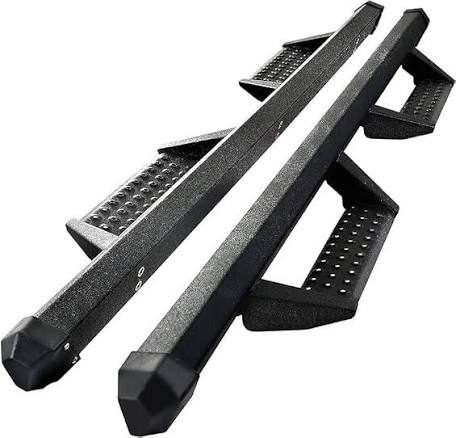
For truck and SUV owners, getting in and out of a vehicle should be simple, comfortable, and safe. This is especially important when driving a vehicle with a high ground clearance. running boards offer a practical solution by creating a convenient step between the ground and the vehicle’s cabin. At the same time, they can improve the vehicle’s appearance and provide additional protection along the lower body.
Whether you own a pickup truck, SUV, or off-road vehicle, choosing the right running boards can make everyday driving more convenient. Understanding their benefits, materials, styles, installation options, and maintenance requirements can help you make a better decision.
What Are Running Boards?
Running boards are step-like accessories installed along the sides of trucks and SUVs. They provide a stable surface that makes it easier for passengers to enter and exit vehicles with elevated cabins. Unlike a simple step bar, a running board typically extends along a larger section of the vehicle’s side.
Modern designs are available in various shapes, sizes, and materials. Some focus primarily on accessibility, while others combine functionality with stylish designs. Depending on the vehicle and driving needs, owners can select fixed, retractable, or heavy-duty options.
Why Running Boards Are Useful
One of the biggest advantages of running boards is improved vehicle accessibility. Tall trucks and SUVs can be difficult to enter, particularly for children, older passengers, or anyone who finds a high step uncomfortable. A properly positioned running board creates a convenient intermediate step.
They can also provide additional support when loading or unloading items from a vehicle. When installed correctly, they offer a stable platform that makes regular vehicle use more comfortable.
Another advantage is their contribution to vehicle appearance. Running boards can give a truck or SUV a more complete and rugged look. With different finishes and designs available, owners can choose an option that complements the vehicle’s existing styling.
Choosing the Right Material
The material of a running board has a major impact on its durability, weight, appearance, and maintenance requirements.
Aluminum is popular because it is lightweight and resistant to corrosion. It can be particularly useful for vehicles regularly exposed to rain, moisture, or road salt. Steel provides excellent strength and is often preferred for demanding applications. However, steel products may require protective coatings to reduce the risk of corrosion.
Composite and plastic materials are also used in some designs. These options can offer a balance between affordability, weight, and weather resistance. When selecting a material, consider the vehicle’s intended use, local weather conditions, and expected passenger load.
Different Styles to Consider
Running boards come in several styles, allowing vehicle owners to match functionality with personal preferences.
Traditional flat running boards provide a broad stepping surface and are often suitable for daily-use trucks and SUVs. They can make entering the cabin especially comfortable because passengers have more room to place their feet.
Nerf bars and step bars are narrower alternatives. They generally provide a more streamlined appearance while still offering convenient access. They are often selected by drivers who want a sporty or rugged appearance without adding a wide platform.
Retractable running boards offer another option. These boards extend when the vehicle is being accessed and retract when the doors are closed. This design can improve ground clearance and maintain a clean vehicle profile when the boards are not needed.
Safety Features Matter
Safety should always be a priority when selecting running boards. A quality product should provide a stable and secure stepping surface. Look for designs with textured or non-slip surfaces that can help improve traction in wet or muddy conditions.
The mounting system is equally important. Strong brackets and properly fitted hardware help ensure that the board remains secure during regular use. It is important to choose a product designed specifically for the vehicle rather than relying on a poorly matched universal option.
The board should also be positioned at a comfortable height. A step that is too high or too low may not provide the accessibility benefits expected from the accessory.
Installation Considerations
Some running boards are designed for relatively straightforward installation, while others may require professional fitting. Before purchasing, check whether the product is compatible with the specific make, model, and year of the vehicle.
Installation typically involves attaching mounting brackets to designated points on the vehicle’s frame or body. The hardware should be tightened according to the manufacturer’s specifications. Incorrect installation can lead to movement, poor alignment, or damage to the vehicle.
If you are unfamiliar with vehicle accessories or do not have the appropriate tools, professional installation can be a sensible choice. A properly installed running board should sit securely and remain aligned with the vehicle.
Maintaining Your Running Boards
Regular maintenance can extend the life and appearance of running boards. Dirt, mud, road salt, and other debris can accumulate on the stepping surface and mounting areas. Cleaning them periodically helps prevent buildup and keeps the surface easier to use.
Inspect the mounting brackets and hardware from time to time. Look for loose bolts, unusual movement, cracks, or signs of corrosion. Addressing small problems early can help prevent larger issues.
For metal running boards, check the finish for scratches or exposed areas where corrosion could develop. Following the manufacturer’s cleaning and maintenance recommendations is the best way to protect the material.
Running Boards for Different Driving Needs
The best running board depends largely on how the vehicle is used. For everyday city driving, a stylish and comfortable board may be the most practical choice. A wide platform can make frequent entry and exit easier.
For off-road vehicles, durability and ground clearance may be more important. A strong, compact design can provide access without becoming an unnecessary obstacle on rough terrain.
For family vehicles, safety and accessibility may take priority. A wide, non-slip surface can provide passengers with a more secure step, particularly when entering or exiting a tall SUV.
Style and Vehicle Appearance
Beyond functionality, running boards can significantly influence the visual character of a vehicle. Black powder-coated designs often create a rugged appearance, while polished or metallic finishes can provide a more refined look.
The design should complement the vehicle rather than appear out of place. Consider the vehicle’s existing wheels, trim, bumpers, and other exterior accessories when choosing a style. A well-matched set can make the entire vehicle look more coordinated.
Final Thoughts
Running boards are more than an exterior accessory. They can make trucks and SUVs easier to access, provide a safer stepping surface, and enhance the vehicle’s overall appearance. With options ranging from traditional platforms to retractable designs, there is a solution for nearly every type of driver.
When choosing running boards, focus on compatibility, material quality, step width, traction, mounting strength, and maintenance requirements. Consider how and where you use your vehicle before making a purchase. With the right design and proper installation, running boards can provide a useful combination of style, safety, durability, and everyday convenience.